
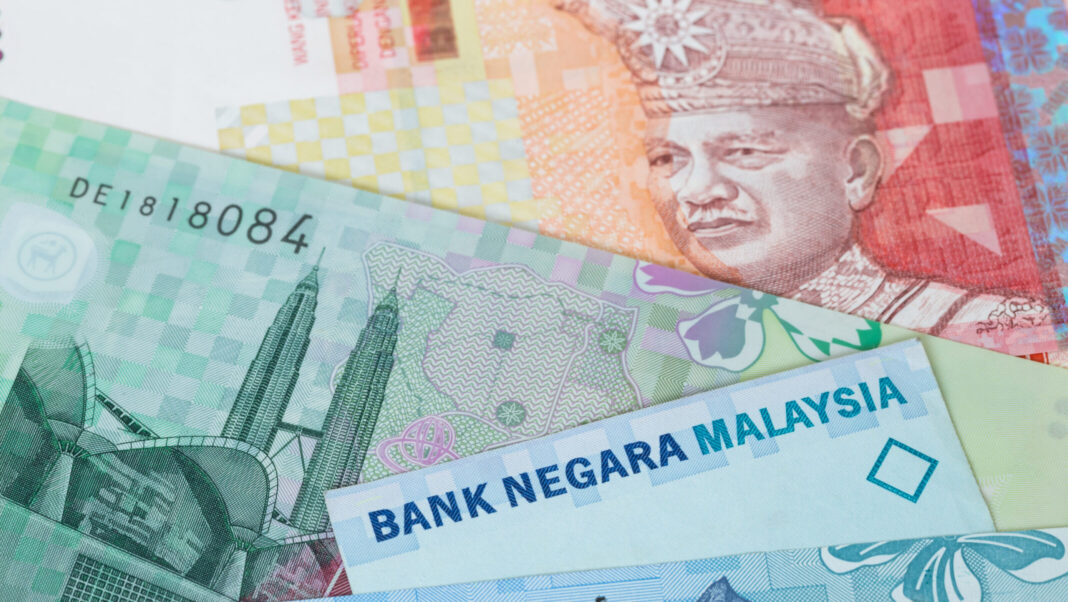

MALAYSIA: The Malaysian ringgit strengthened against the US dollar in early trade on Friday, supported by weaker US economic data and declining Treasury yields, although it slipped slightly against the Singapore dollar.
According to Free Malaysia Today (FMT), at 8 a.m., the ringgit rose to 3.9750/3.9935 against the greenback, compared to 3.9795/3.9845 at Thursday’s close.
According to Bank Muamalat Malaysia Bhd chief economist Afzanizam Abdul Rashid, the US Dollar Index (DXY) fell 0.32% to 98.819 points, while US Treasury yields also declined, with the two-year and 10-year yields easing to 3.77% and 4.28%, respectively, FMT reports.
He added that the US economy showed signs of slowing, with gross domestic product growth for the fourth quarter of 2025 coming in at 0.5%, below expectations of 0.7% and significantly lower than the 4.4% recorded in the third quarter of 2025.
“This suggests the US economy is on a weaker trajectory, and the Core Personal Consumption Expenditures (PCE) inflation, which moderated to 3% in February from 3.1% previously, suggests the Federal Reserve might cut interest rates at some point this year,” he said, as reported by Bernama.
He added that such developments are generally positive for the ringgit, although cautious sentiment in global markets may limit the pace of its appreciation.
Mixed performance against other currencies
Despite gaining against the US dollar, the ringgit showed mixed performance against other major and regional currencies. It strengthened against the Japanese yen but edged lower against the euro and British pound.
Against regional peers, the ringgit was mixed. Notably, it weakened slightly against the Singapore dollar, trading at 3.1216/3.1366 compared to 3.1204/3.1246 previously. It also appreciated against the Thai baht, while remaining largely unchanged against the Philippine peso and Indonesian rupiah.
What this means for Singapore
For Singapore, the ringgit’s slight decline against the Singapore dollar means that the Singapore currency has marginally strengthened in comparison.
In practical terms, this could translate to slightly better exchange rates for Singaporeans converting money into Malaysian ringgit, particularly for those who frequently travel to Johor Bahru for shopping, dining or petrol.
However, the movement remains relatively small for now. Still, given the close economic ties between Singapore and Malaysia, even minor currency shifts are closely watched, especially by businesses and commuters who rely on cross-border trade and travel.
Over time, sustained trends in currency movements could have a more noticeable impact on spending patterns and cross-border activity between the two countries.
Read also: Johor gains global investor confidence as high-tech industries drive growth
 Follow Google News
 Join us on WhatsApp
 Follow us on Telegram