

SINGAPORE: It has been less than two weeks since the United States and Israel began bombing Iran on Feb 28, but the effects have been far-reaching. Not only has the conflict spread to several other countries in the Middle East, but a disruption in the oil supply is also causing prices to skyrocket.
Here are the latest developments in the war in the Middle East as of Thursday (March 12).
Widening regional conflict as Israel bombs Lebanon
Israel’s bombing of Beirut and southern Lebanon escalated on Wednesday night after Hezbollah, in coordination with Iran-linked forces, allegedly launched as many as 100 drones and missiles at northern Israel.
The crisis in the Strait of Hormuz
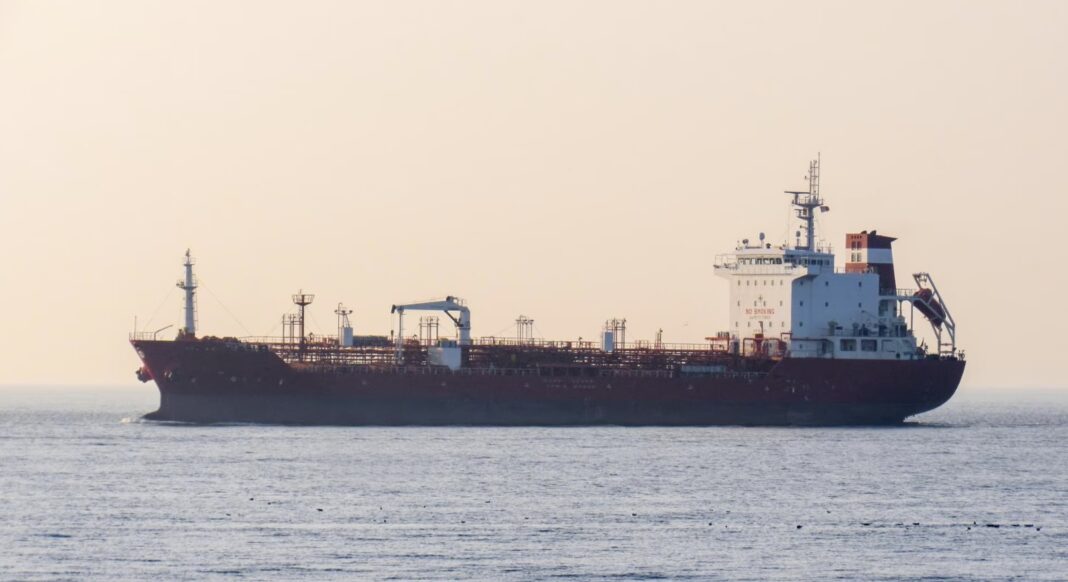
Oil tankers have been attacked through the use of drones believed to be from Iran. The country’s naval drone capabilities are worrisome, in light of Iran’s threats to block vessels shipping oil that transit through the Strait of Hormuz, a chokepoint for around 20 per cent of the world’s oil.
If the attacks continue, military experts say that it may take weeks or even months for the Strait to reopen. If this happens, it could drive the price of oil to US$150 (S$191.3) a barrel, causing economic shocks worldwide.
Global energy watchdog orders release of government oil reserves
To alleviate the oil price shock resulting from the war, the 32 members of the International Energy Agency agreed to release around 400 million barrels of emergency crude, which is one-third of the total stockpile.
Nevertheless, because of the attacks on the oil tankers at the Strait of Hormuz, the price of oil has once again breached the US$100 per barrel (S$127.60) mark, despite moderating earlier this week.
How the war affects Singapore & the rest of Asia
Asia, which purchases around two-thirds of its crude oil from the Persian Gulf, is likely to be more affected than other regions due to higher oil prices and the disruption in supply.
The rental rates of tankers have gone up dramatically, due to shipping’s higher risks. Insurance costs have also gone up, and there have already been some delivery delays.
If the conflict in the Middle East is prolonged, Asian countries are likely to see lower economic growth as well as inflation.
Because Singapore is a global trade and shipping hub, the city-state may feel the effects earlier than other countries in the region.
Businesses and consumers may well feel the impact.
“Depending on how protracted the conflict is, higher energy prices could lead to higher costs for businesses and consumers,” Deputy Prime Minister and Minister for Trade and Industry Gan Kim Yong said in Parliament last week. /TISG
Read also: PM Wong conveys Singapore’s support for Qatar’s efforts to de-escalate tensions in the Middle East
 Follow Google News
 Join us on WhatsApp
 Follow us on Telegram