
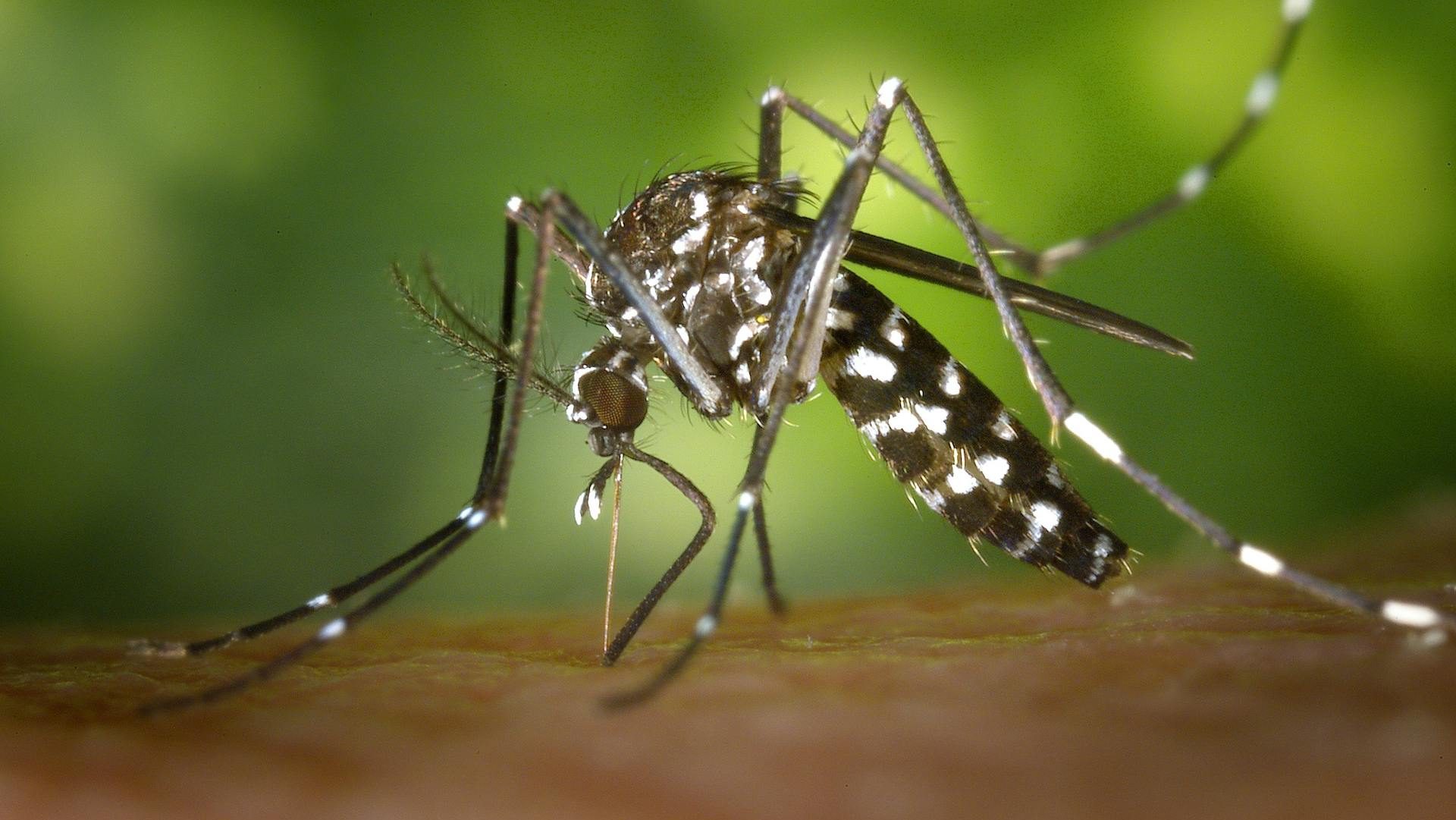

SINGAPORE: A study by researchers at Duke-NUS Medical School has uncovered the pivotal role of natural killer T (NKT) cells in shaping the immune response to dengue infections.
The findings, which could offer new strategies for reducing the severity of subsequent dengue infections, highlight how these cells influence whether the body produces protective or harmful antibodies after an initial infection.
Dengue fever, a viral illness spread by mosquitoes, is caused by four distinct serotypes. While an initial infection with one serotype typically leads to immunity against that specific strain, it provides no protection against the others.
A second infection with a different serotype is often linked to more severe illness, a phenomenon known as antibody-dependent enhancement.
The study found that during a primary dengue infection, NKT cells play a crucial role in promoting immune memory. This helps the body generate effective antibodies that neutralize the virus, reducing the risk of severe disease during future infections.
NKT cells also create a supportive environment in nearby lymph nodes, boosting the immune system’s ability to produce these protective antibodies.
Furthermore, the researchers discovered that NKT cells drive the production of Th1-associated antibodies, which are highly effective at targeting and eliminating cells infected by the dengue virus.
Patients with higher levels of these Th1 responses were shown to have better outcomes during primary dengue infections. However, the study also highlighted the risks associated with secondary infections.
Those who developed a stronger Th2 response—typically effective against bacteria, parasites, and toxins—were more likely to experience severe disease.
Th2-associated antibodies, while important in other types of immune responses, were less effective at neutralizing the dengue virus, underscoring the importance of NKT cells in guiding the immune system toward the more protective Th1 pathway.
These findings provide new insights into the immune mechanisms behind dengue fever and open potential avenues for developing treatments or vaccines that could modulate NKT cell activity to reduce the risk of severe disease in dengue patients.
 Follow Google News
 Join us on WhatsApp
 Follow us on Telegram