

SINGAPORE: Researchers at the National University of Singapore (NUS) have made a major advancement in cancer treatment, developing a modified form of cancer immunotherapy that enhances its effectiveness and minimizes harmful side effects.
Immunotherapy, a treatment that uses the body’s own immune system to fight cancer, has shown promise but is often limited by immune-related side effects, where the immune system mistakenly targets healthy tissues.
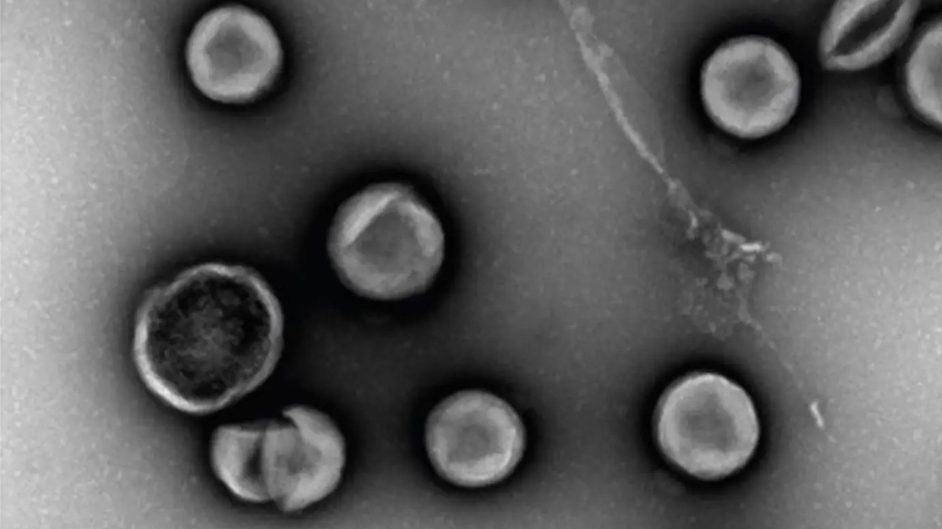
A team of scientists, led by Assistant Professor Minh Le from the Institute for Digital Medicine (WisDM) and the Department of Pharmacology at the Yong Loo Lin School of Medicine (NUS Medicine), has unveiled a new delivery platform based on nano-sized particles known as extracellular vesicles (EVs).
These EVs, naturally released by cells, have been modified to carry multiple immune-boosting molecules, termed ‘immunomodulatory ligands.’
These ligands, particularly the Tumor Necrosis Factor Receptor Superfamily (TNFRSF) agonists, are critical in regulating immune responses against cancer.
The research conducted on in vivo models of metastatic pancreatic cancer and melanoma demonstrated that this novel EV-based delivery system significantly improves the retention of immune-boosting ligands within tumors.
This allows for more targeted treatment, meaning lower drug doses can be used without compromising effectiveness, which results in fewer side effects—a significant concern with traditional immunotherapy approaches.
The study, published in Molecular Therapy, highlights how this innovation improves immune activation, specifically targeting tumors, while suppressing tumor growth, enhancing survival rates, and preventing cancer recurrence.
The delivery platform, by incorporating EVs, can modify the immune environment within the tumor itself, boosting the immune system’s ability to attack cancer cells and develop long-term immune memory against the same cancer.
This makes the treatment not only more effective in fighting current tumors but also in preventing future recurrences. Compared to the traditional method of delivering immunomodulatory ligands in soluble form, the new system shows vastly improved outcomes with less toxicity.
“We are thrilled to present this novel EV-based delivery system that not only enhances the therapeutic efficacy of immunomodulatory ligands but also significantly reduces systemic toxicity,” said Asst Prof Minh Le.
“Our findings pave the way for safer and more effective cancer immunotherapies, potentially transforming the landscape of cancer treatment,” she added.
The findings mark a promising development in cancer treatment, offering hope to many battling difficult-to-treat cancers like metastatic pancreatic cancer and melanoma.
 Follow Google News
 Join us on WhatsApp
 Follow us on Telegram