

SINGAPORE: Nanyang Technological University (NTU) is set to introduce the nation’s first four-year bachelor’s degree program in Chinese medicine, tailored to local medical needs.
The program, slated to commence in 2024, represents a significant milestone as it will be the very first bachelor’s degree in Chinese medicine independently conferred by a local university. Moreover, it will mark the first Chinese medicine bachelor’s degree program accredited by the Chinese Medicine Management Committee of the Ministry of Health.
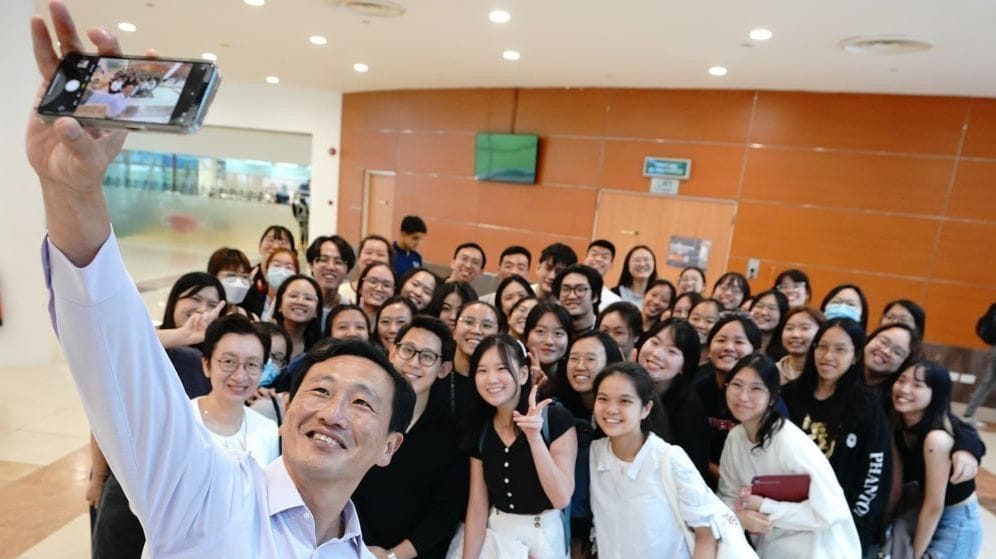
During a launch ceremony at NTU on Wednesday (15 Nov), Health Minister Ong Ye Kung underscored the importance of traditional Chinese medicine (TCM) in the local healthcare landscape.
Highlighted the increasing integration of TCM with Western medicine in Singapore’s healthcare system, Mr Ong noted that beginning in the late 1990s, as more evidence proved that TCM was effective, Singapore’s public hospitals began to provide patients with TCM acupuncture treatment.
A collaboration between NTU and Beijing University of Chinese Medicine in 2005 resulted in a five-year dual-degree program in biomedical sciences and traditional Chinese medicine. This initiative aimed to broaden career options for graduates. It has also successfully produced over 430 professionals over the years.
Minister Ong pointed out the burgeoning interest among local students in pursuing Chinese medicine studies and emphasized the robust demand for TCM treatments in the community. Thus, the Ministry of Health, the Ministry of Education, and NTU collectively decided to launch the first local bachelor’s degree program in Chinese medicine.
The curriculum of the new program will prioritize addressing the evolving health needs of Singaporeans, focusing on prevalent issues such as ageing, diabetes, and stroke. The course designers have incorporated innovative elements, including integrating artificial intelligence and big data in clinical research.
The aim is to provide students with a comprehensive understanding of traditional Chinese medicine while equipping them with contemporary tools to address modern health challenges.
The program will commence with 25 available spots in its inaugural year, with plans to expand enrollment to 40 students annually. Simultaneously, enrollment in the existing dual-degree programs will be phased out starting next year.
Promising an interactive learning experience, the course will feature group discussions and leverage high-tech teaching methods. The first batch of graduates from this pioneering program is anticipated to complete their studies in 2028.
 Follow Google News
 Join us on WhatsApp
 Follow us on Telegram