
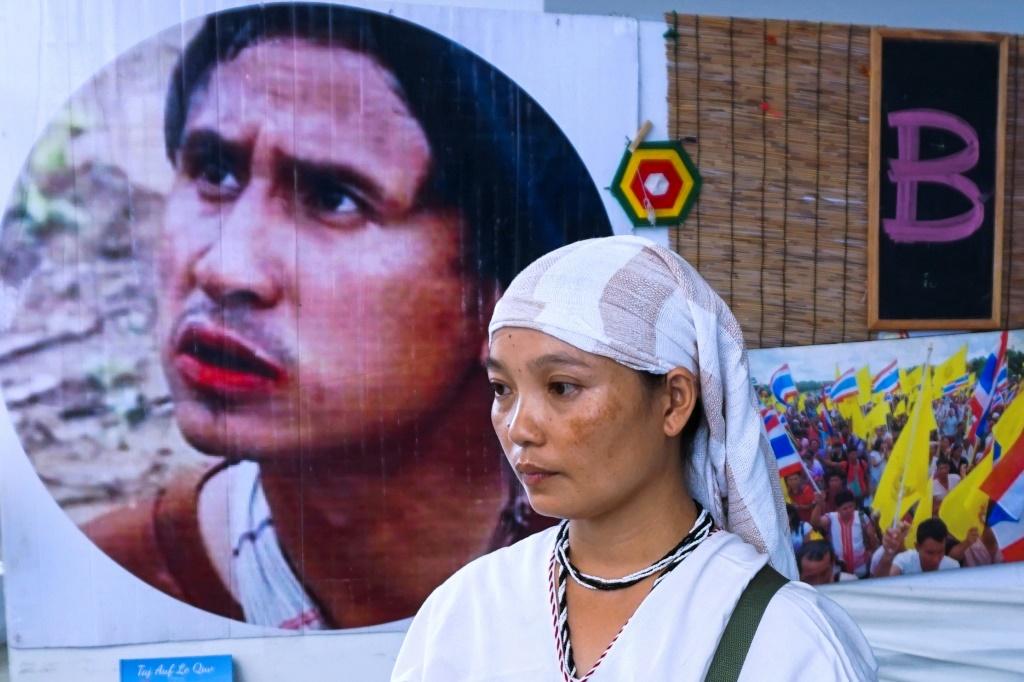

A Thai park official implicated in the alleged killing of an environmental activist will not face prosecution for murder due to “insufficient evidence”, the attorney general’s office announced Monday — a move condemned by rights groups decrying impunity for enforced disappearances.
Ethnic Karen leader Por Cha Lee Rakcharoen — known as Billy — vanished in April 2014 while he was working on a lawsuit accusing officials of destroying homes of ethnic minorities in Kaeng Krachan national park.
Then-park chief Chaiwat Limlikitaksor was one of the last people to see him alive, after Billy was detained for apparently collecting honey illegally.
Chaiwat denied any involvement in his disappearance, claiming he had released the community activist.
Five years on divers found burned fragments of a skull stuffed in an oil drum in the park’s reservoir in April, while other bones were scattered around the lake.
The remains were believed to be Billy’s body based on forensic identification using his mother’s DNA, said officials from Thailand’s Department of Special Investigation.
Chaiwat and three other park officials were implicated in legal cases that include charges of premeditated murder, detention and robbery.
But on Monday, the attorney general’s office issued a non-prosecution order against the four defendants on these charges due to “insufficient evidence”, said spokesman Prayut Petchkhun.
The DNA tests linking the bone fragments to Billy’s mother is “not enough” to identify whom exactly the remains belong to, he added.
The office will only seek prosecution for the charge of “performing or failing to perform duties that lead to damages to a person”, Prayut said.
The Department of Special Investigation could re-examine the case and still contest the attorney general’s decision.
Vowing “to fight” Monday after the announcement, Billy’s widow Pinnapha Phrueksapan said she will push for a detailed statement on why the attorney general was dropping charges.
“It’s hard for me to understand this decision. It’s impossible that a person went missing or was murdered, but there is no explanation behind it,” she told reporters.
Thailand is among the deadliest places in Asia for environmental and rights defenders — the United Nations has logged over 80 cases of enforced disappearances in the country since 1980.
Activists have long called for reforms to a legal system dictating that a body needs to be found in order for murder charges to be filed against suspects.
“If culprits can successfully hide the bodies or leave no evidence, the Thai legal system cannot prosecute them,” said Pornpen Khongkachonkiet of Cross Cultural Foundation.
“This system endorses the crime… there needs to be a new law to make enforced disappearances a criminal offence.”
© Agence France-Presse
 Follow Google News
 Join us on WhatsApp
 Follow us on Telegram