
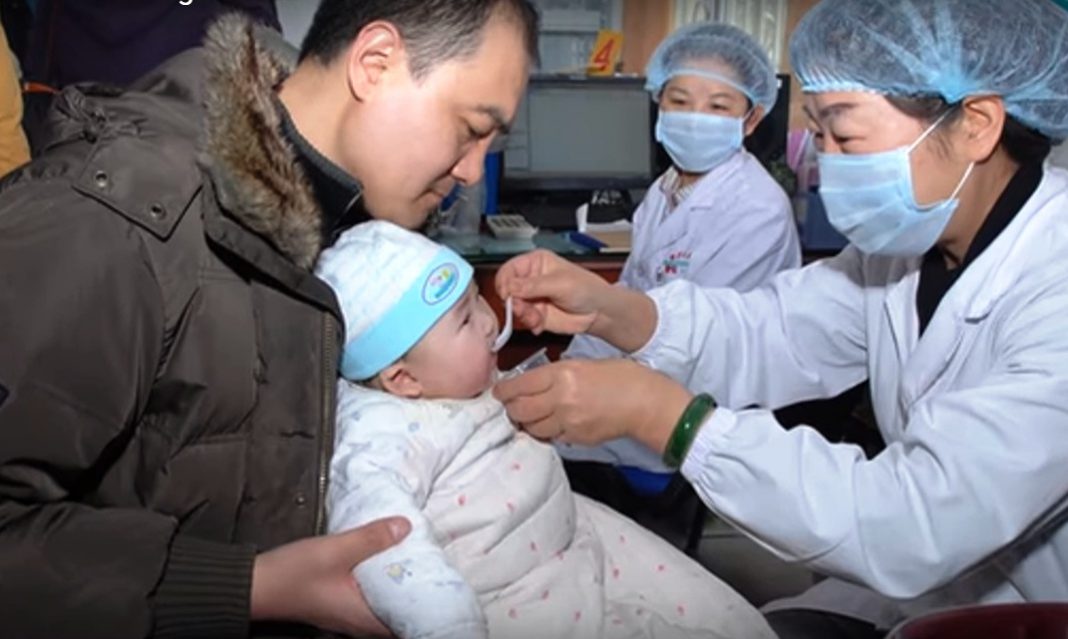

China is gaining momentum in its healthcare delivery systems designed for people who need them most.
Pregnant women, infants, and seniors are targeted groups for China’s improving medical services, according to the country’s national Xinhua news agency and a 2018 World Bank Report.
Last year, over 6,400 treatment facilities had been set up for pregnant mothers and neonates in critical situations.
Several health institutions had also been made available in all regions and provinces.
In 90 cities, 4000 aged care buildings are being constructed as part of a pilot initiative of promoting medical and nursing assistance for seniors.
Another ongoing pilot programme is the Internet plus nursing project being carried out in six provincial-level regions.
With this project, a medical facility can use nursing service apps to evaluate a patient’s case.
Some nurses will be sent to communities or homes to help elderly patients, especially those whose movements have been affected by disease.
The Xinhua news agency reports that government healthcare is being expanded to cover 21 serious ailments afflicting the country’s poorest rural folk.
The World Bank’s report highlights China’s 13th Five-Year Plan which focuses on deepening healthcare reforms through to 2020 and how the government sought the global body’s aid to conduct a health sector study to discuss challenges based on Chinese and international best practices. This study findings were then cited in the 2016 “Healthy China” report.
Mainly, the World Bank report suggested China aim for cost-effective healthcare that allowed people all over its vast country to have quality care from local doctors and other health workers.
If not, the study warned that China’s total health expenditures would increase from 5.6% of its GDP in 2015 to 9.1% of its GDP in 2035, or an average annual increase of 8.4%.
Suggested healthcare reforms would mean China possibly saving about 3% of its GDP.
 Follow Google News
 Join us on WhatsApp
 Follow us on Telegram