
140K migrant workers in Singapore at risk of job scams and identity impersonation after Fullerton Health data breach

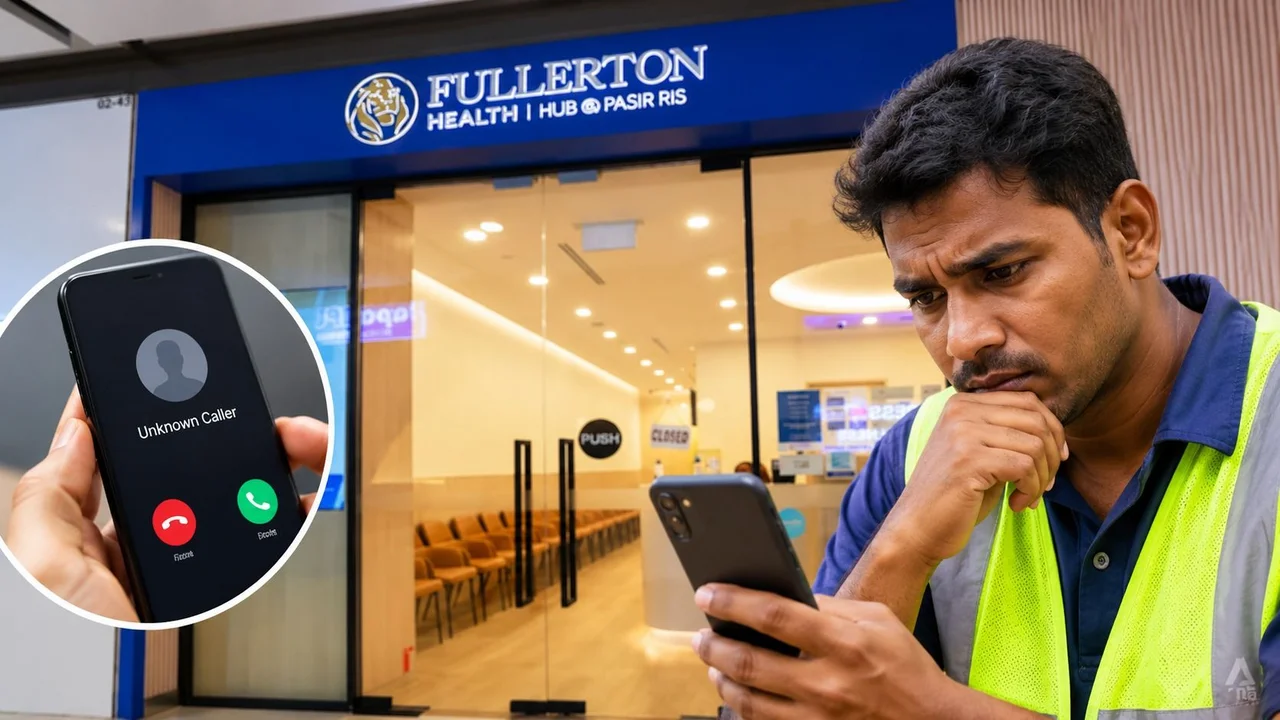
Migrant workers in Singapore face scam risks after Fullerton Health data breach
SINGAPORE: The personal details of 140,000 migrant workers have been exposed in a Fullerton Health data breach, raising concerns about employment scams and identity impersonation in Singapore.
Worker groups warn that criminals could use the leaked information to pose as employers, healthcare providers or government officials. Messages containing accurate personal details may appear genuine, making them harder for workers to question.
The breach also raises concerns about workers who have returned home but still use their Singapore phone numbers. Migrant worker groups and an academic had warned about the potential misuse of the exposed information, Channel NewsAsia (CNA) reported (Nov 22).
Fullerton Health confirms 140,000 compromised records
Fullerton Health announced on Nov 14 that about 140,000 work pass holder records were affected by a cybersecurity incident.
The breach involved a server supporting its Migrant Worker Primary Care Plan programme. About 43,000 records belonged to people whose work passes were no longer valid.
The compromised information may include full names, foreign identification numbers (FIN), dates of birth, mobile numbers, email addresses, and residential addresses.
However, Fullerton Health said no health, medical or personal financial information was compromised.
The healthcare provider discovered the incident on Oct 31 and made two rounds of notifications through affected workers’ employers.
The Ministry of Manpower (MOM) also notified affected workers through the FWMOMCare mobile app, using messages in their native languages.
Employment scams could become harder to detect
Transient Workers Count Too (TWC2) executive director Ethan Guo said employment-related scams were already among the main types of fraud affecting migrant workers.
Mr Guo explained that dishonest employment agents could use workers’ personal details to apply for work permits without their knowledge. They could then demand hundreds or thousands of dollars to cancel the resulting In-Principle Approval (IPA).
Workers returning home while searching for another job in Singapore could be particularly exposed. Some continue using their Singapore WhatsApp numbers, allowing scammers to contact them.
Mr Guo also warned about criminals asking workers to let them use their bank accounts for suspicious transactions.
Meanwhile, Michael Lim, director of the Migrant Workers’ Segment at the National Trades Union Congress (NTUC), said scammers could impersonate employers, banks, healthcare providers and government agencies. They might request money, personal details or verification codes, or persuade workers to click suspicious links.
Accurate personal details can make fake messages convincing
Associate Professor Razwana Begum from the Singapore University of Social Sciences (SUSS) said workers may depend on employers, healthcare providers and intermediaries for information about work permits and medical examinations. These types of dependence could make messages pretending to come from these sources more believable.
Ms Razwana, however, cautioned against assuming migrant workers were less digitally aware. Their main difficulty could be accessing reliable advice and knowing how to verify unfamiliar requests.
The Associate Professor also stressed that the exposed information alone doesn’t give criminals access to workers’ bank accounts or government services.
The greater concern is that scammers could use the details to gain trust and obtain more sensitive information, including account passwords and one-time passwords.
Worker groups step up scam awareness efforts
Neither TWC2 nor the Migrant Workers’ Centre (MWC) had received specific reports from affected workers at the time of the report. However, both organisations are taking steps to raise awareness.
MWC plans to reinforce its scam warnings through community networks, while TWC2 intends to alert workers through social media.
Newsletter
Get updates straight to your inbox
Michael Lim advised workers to avoid responding to unsolicited requests and verify suspicious messages through official channels. Workers needing assistance can contact MWC’s 24-hour helpline at 6536 2692.
TWC2’s Mr Guo also suggested additional safeguards for work permit applications, including requiring affected workers to approve IPA applications after verifying their identities online.
The breach shows why protecting personal information must go beyond telling workers to be careful. Employers, healthcare providers and relevant agencies must explain what was exposed and provide simple ways to verify requests.
For workers whose personal details are now in circulation, knowing whom to contact could make the difference between spotting a scam and falling victim to one.
In other news, earlier this month, SPH Media also suffered cyberattacks affecting five systems, exposing customers’ personal details. The compromised information included names, email addresses, mailing addresses and phone numbers, representing 9% of its database.
However, financial details and account access were unaffected. SPH Media believes the attacks were part of a coordinated effort by the threat actor, although it hasn't confirmed whether artificial intelligence (AI) was used.
Read related: SPH Media targeted by cyberattacks in SG, compromising 9% customer personal data