
The United States Department of Health and Human Services’ Food and Drug Administration (FDA), announced on 18 Apr that its District Offices may detain, without physical examination, imports of shrimp and prawns from peninsular Malaysia due to testing that found that approximately one-third of imports from peninsular Malaysia contained residues of nitrofurans and/or chloramphenicol. Imports from Sabah and Sarawak were not affected.
FDA said that its testing from October 1, 2014, to September 30, 2015 showed an increase in shipments of Malaysian shrimp and prawns containing residues of nitrofurans and chloramphenicol. Shrimp or prawns that contain residues of nitrofurans or chloramphenicol are adulterated and not permitted in United States commerce.
Both nitrofurans and chloramphenicol are antibiotics. Chloramphenicol is banned for use in animals and livestock meant for food production due to concerns regarding resistance and potentially life-threatening side effects like anaphylactic anemia (reduction of blood cell production) or fetotoxicity. Whereas nitrofurans are banned because they possess carcinogenic and mutagenic properties.
FDA said that in the past it had taken steps to prevent companies with violative shipments from continuing to import shrimp and prawns containing nitrofuran and chloramphenicol residues by placing them on existing Import Alerts.
This means that the companies’ future shipments may be detained without physical examination at the port of entry and the importer may submit evidence, such as test results from a private laboratory, demonstrating that the products are free of nitrofuran and chloramphenicol residues.
FDA said that it protects U.S. consumers and ensures that food is safe and wholesome by such Import Alerts such as this one.
The prohibited antibiotics were found in prawns and shrimp samples despite Malaysia’s ban on the use of them. FDA has requested that the Malaysian government investigate the cause of the residue problem and develop a program of short-term and long-term actions to prevent the export of violative shrimp from Malaysia to the United States.
It is not known if the Agri-Food & Veterinary Authority of Singapore has found such contaminants in the imports of prawns and shrimps into Singapore for local consumption.
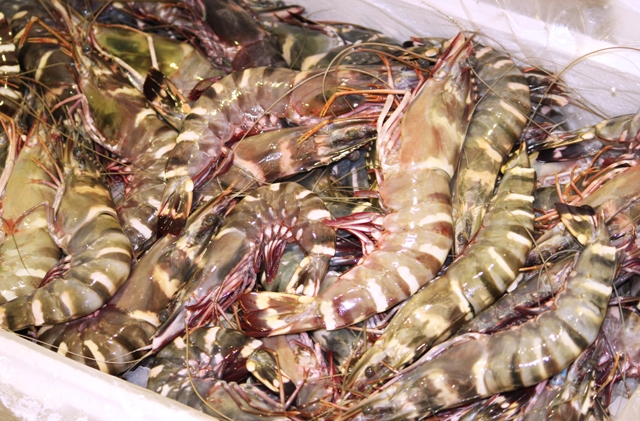
Banned substances in Malaysian prawns detected says FDA – Singapore affected?

- Advertisement -
 Follow Google News
 Join us on WhatsApp
 Follow us on Telegram
Hot this week
Popular Categories
document.addEventListener("DOMContentLoaded", () => {
const trigger = document.getElementById("ads-trigger");
if ('IntersectionObserver' in window && trigger) {
const observer = new IntersectionObserver((entries, observer) => {
entries.forEach(entry => {
if (entry.isIntersecting) {
lazyLoader(); // You should define lazyLoader() elsewhere or inline here
observer.unobserve(entry.target); // Run once
}
});
}, {
rootMargin: '800px',
threshold: 0.1
});
observer.observe(trigger);
} else {
// Fallback
setTimeout(lazyLoader, 3000);
}
});