

Singapore – According to a study by the Nanyang Technological University (NTU), people who have recovered from Covid-19 may face risks of blood clot formation due to an overactive immune response.
Covid-19 patients, especially those with pre-existing cardiovascular conditions, may be at risk of developing blood clots due to a lingering and overactive immune response, noted an NTU news release on Tuesday (Apr 13).
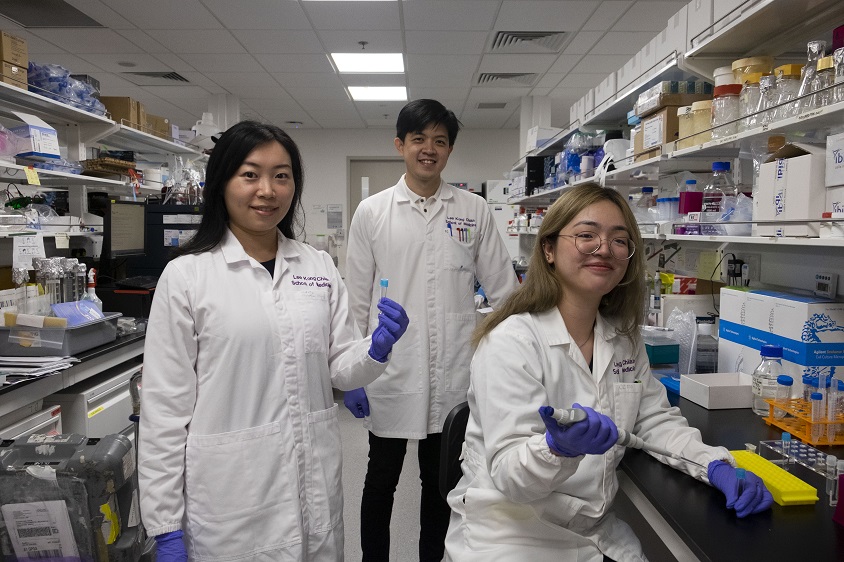
The study conducted by NTU scientists and led by NTU Assistant Professor Christine Cheung discovered signs of blood vessel damage from a pool of blood samples from Covid-19 patients.
The team investigated the possible link between Covid-19 and an increased risk of blood clot formation, thus shedding new light on “long-haul Covid”, the name given to the medium- and long-term health consequences of the virus.
The team, comprising researchers from NTU, Agency for Science, Technology and Research’s (A*STAR) Singapore Immunology Network (SIgN), and the National Centre for Infectious Diseases (NCID), collected and analysed blood samples from 30 Covid-19 patients a month after they had recovered from the infection and were discharged from hospital.
In addition to all of the samples showing signs of blood vessel damage, they also had twice the normal number of circulating endothelial cells (CECs) that had been shed from damaged blood vessels.
Elevated CECs levels indicate blood vessel injury is still apparent after recovery from a viral infection.
The researchers hypothesise that the body’s immune system, which was activated to fight the Covid-19 virus, remains overactive and activated even after recovery, said NTU.
These persistently activated immune responses may attack blood vessels of recovered Covid-19 patients, causing even more damage and increasing the risk of blood clot formation further.
“The findings may help to explain why some people who have recovered from Covid-19 exhibit symptoms of blood clotting complications after their initial recovery,” said NTU.
“In some cases, they are at increased risk of heart attack, stroke or organ failure when blood clots block major arteries to vital organs.”
“With more people recovering from Covid-19, we started hearing from clinicians about patients returning with blood clotting issues after they had been discharged and cleared of the virus,” said Asst. Prof. Cheung.
This makes a strong case for the close monitoring of recovered Covid-19 patients, especially those with pre-existing cardiovascular conditions like hypertension and diabetes who have weakened blood vessels, she added./TISG
Read related: “Survival is not the only goal,” Ho Ching warns young people of Covid-19’s long-term effects
“Survival is not the only goal,” Ho Ching warns young people of Covid-19’s long-term effects
 Follow Google News
 Join us on WhatsApp
 Follow us on Telegram