
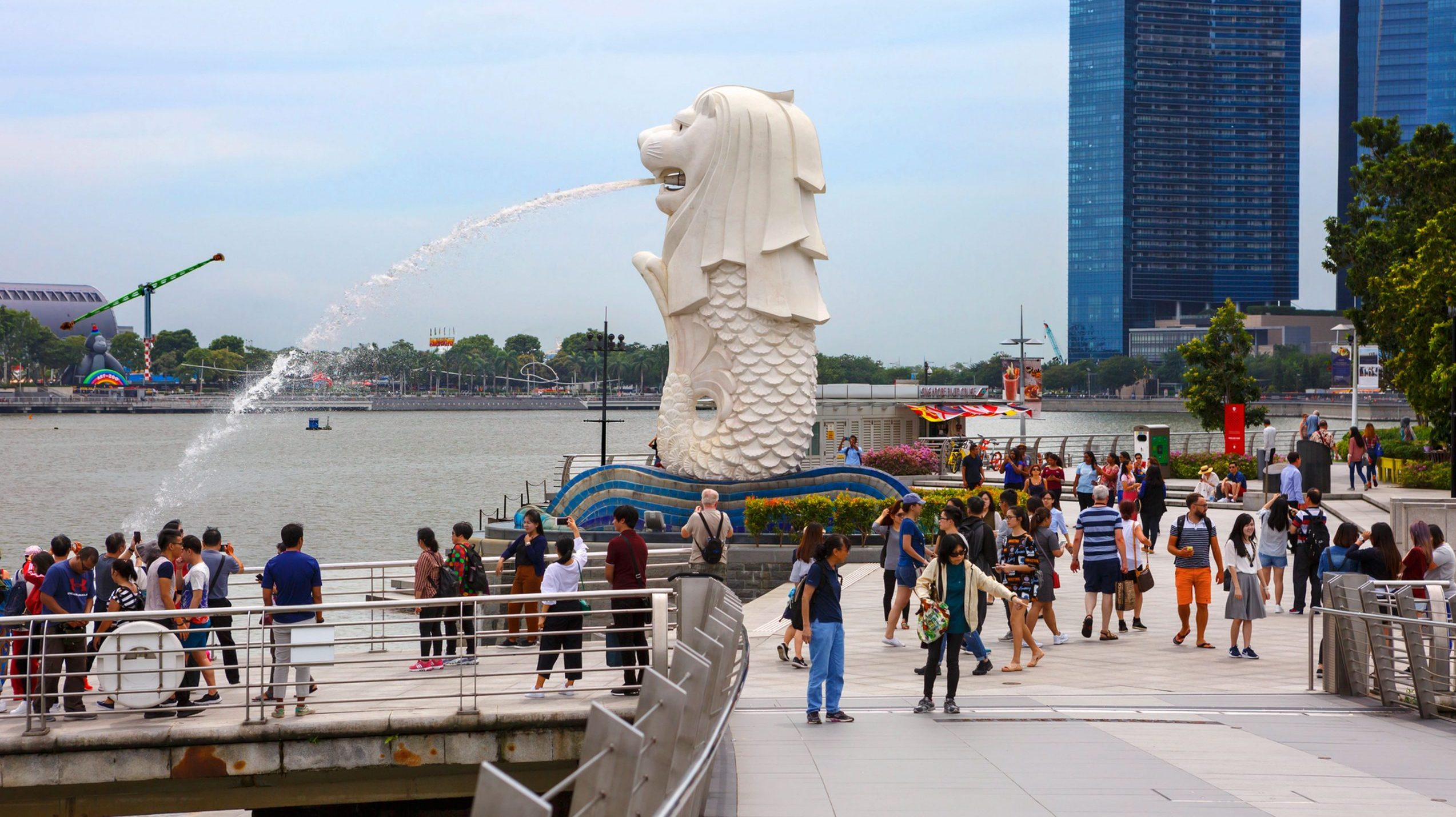

SINGAPORE: According to a new study by the Pew Research Center, Singapore is the most religiously diverse nation around the globe. Among countries with very large populations, the United States tops the list.
The study used data from 2020, which showed that the largest religious group in Singapore is Buddhist (31 per cent), followed by Christians (19 per cent), Muslims (16 per cent), and Hindus (5 per cent). Twenty per cent of Singaporeans are religiously unaffiliated, and 9 per cent adhere to other religions.
The study divides the population of the world by the following religions: Christianity, Islam, Hinduism, Buddhism, Judaism, adherents of all other religions and people with no religious affiliation, as well as how evenly each group is represented in each country or territory.
Singapore and Suriname, which are number one and two on the index, are among the seven countries with four or more religious groups with at least five per cent of the population.
Religious homogeneity is far more common than diversity. In the 194 countries and territories, at least half of the population belongs to just one religious category.

Highest religious diversity
On Pew’s Religious Diversity Index, Singapore has a score of 9.3, the highest of the 201 countries and territories analysed in the study.
Coming in second place to Singapore are Suriname and Taiwan, which both received a score of 7.5.

In Suriname, the only Latin American country in the top 10, slightly over half of residents (53 per cent) are Christians. The next biggest group is Hindus (22 per cent) and Muslims (13 per cent). Eight per cent are religiously unaffiliated.
Taiwan has a very different composition, with 19 per cent Buddhists, 6 per cent Christians, and 52 per cent from other religions. Twenty-three per cent, meanwhile, are religiously unaffiliated.
South Korea and Mauritius, with a score of 7.3 on the religious diversity index, tied for third place. The biggest group (48 per cent) in South Korea is religiously unaffiliated, while 32 per cent are Christians and 19 per cent are Buddhists.
In Mauritius, 48 per cent are Hindus, while 33 per cent are Christians and 18 per cent are Muslims. One per cent is religiously unaffiliated.
Interestingly, the only European country in the top 10 is France, which received a 6.9 on the index. Forty-six per cent of the French population is Christian, while 9 per cent is Muslim, 1 per cent is Buddhist, and 1 per cent is Jewish. Forty-three per cent are religiously unaffiliated.
Meanwhile, among the world’s countries with the biggest populations, Pakistan, where 97 per cent of the people are Muslim, is the least religiously diverse.
As for the rest of the world, the study says that Yemen, Afghanistan, and Somalia, countries where Muslim populations are 99.8 per cent or higher, are the least religiously diverse countries across the globe. /TISG
 Follow Google News
 Join us on WhatsApp
 Follow us on Telegram