
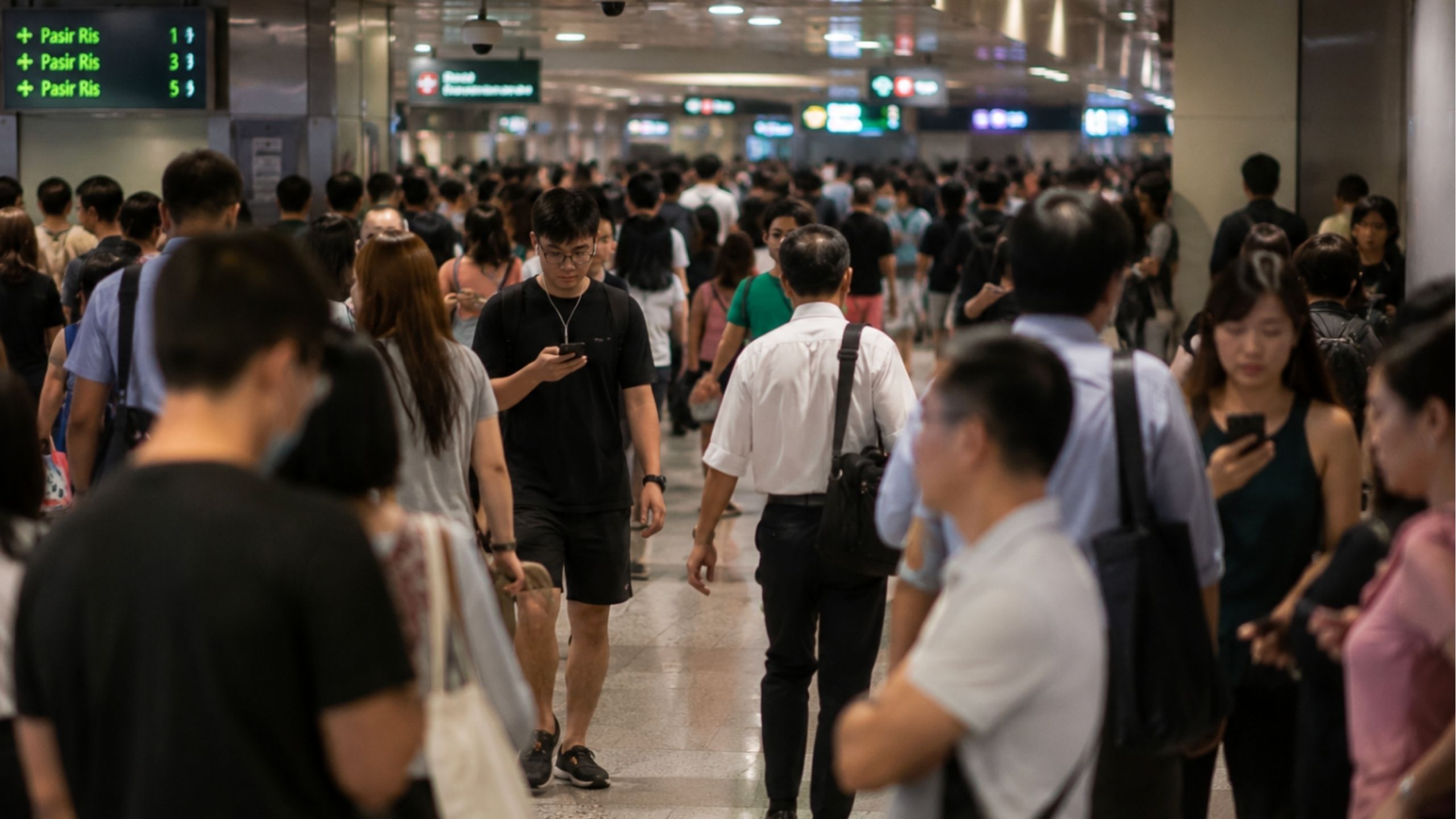

SINGAPORE: Singapore’s gross domestic product (GDP) growth is expected to remain strong this year, but some Singaporean workers on the ground may not feel like they’re benefiting from this growth.
According to economists, this could be because Singapore’s economy is showing signs of a “K-shaped growth”, where AI and technology-related industries are growing faster and pulling ahead while non-tech-related industries lag behind.
Maybank Securities Singapore economist Brian Lee told Channel News Asia that while headline growth has been strong, “it is quite uneven underneath”.
Earlier this month, the Ministry of Trade and Industry (MTI) raised Singapore’s 2026 growth forecast to 4.5% to 5.5%, citing “better-than-expected performance” in the first half of the year and a brighter outlook for the rest of the year.
Much of the optimism has been driven by the strong performance of the manufacturing, wholesale trade and finance and insurance sectors in the second quarter. In particular, “robust global AI-related demand boosted growth” in the electronics and precision engineering clusters of manufacturing, as well as the machinery, equipment and supplies segment of wholesale trade, the ministry said.
However, it’s a different story for the domestic and consumer-facing parts of the economy, Mr Lee explained.
Retail and food and beverage (F&B) sectors grapple with high rental and labour costs, while cautious consumer spending and a strong Singapore dollar are encouraging more Singaporeans to spend overseas.
ANZ Asia research head Mr Khoon Goh added that the K-shaped growth is most evident in Singapore’s exports, with electronic non-oil domestic exports jumping 112% year-on-year (YoY) in July while non-electronics exports fell 2.3% over the same period.
He also noted how manufacturing and logistics drove almost 60% of growth in the first half of 2026, while F&B contracted 0.7% and retail and non-professional services grew more modestly.
This is a concern because the sectors driving the most growth are not those that employ the most workers. Mr Goh noted that sectors such as retail, hospitality and non-financial services make up just 24% of the economy but employ around half of the workforce.
Hence, Mr Goh said, there is a “feeling on the ground” that strong headline GDP growth is not benefitting workers, especially as AI disrupts the labour market, forcing businesses to restructure to stay relevant.
The divergence could become a bigger concern if weakness in consumer-facing sectors starts affecting employment and wages, as these sectors employ more workers than some of those driving GDP growth, he added.
Still, Standard Chartered economists Edward Lee and Jonathan Koh said they would be cautious about calling Singapore’s economic growth “K-shaped”, describing it as “strong but relatively narrow and uneven” instead.
They also noted that households experience the economy mainly through job security, wages and purchasing power, rather than the aggregate GDP figure.
Strong trade-related growth has yet to translate into similar employment gains, suggesting the current external-sector upturn has been relatively “job-light” so far, they added. /TISG
Read also: Singapore attracts US$9.3B in AI funding, outpacing Southeast Asian peers
 Follow Google News
 Join us on WhatsApp
 Follow us on Telegram