
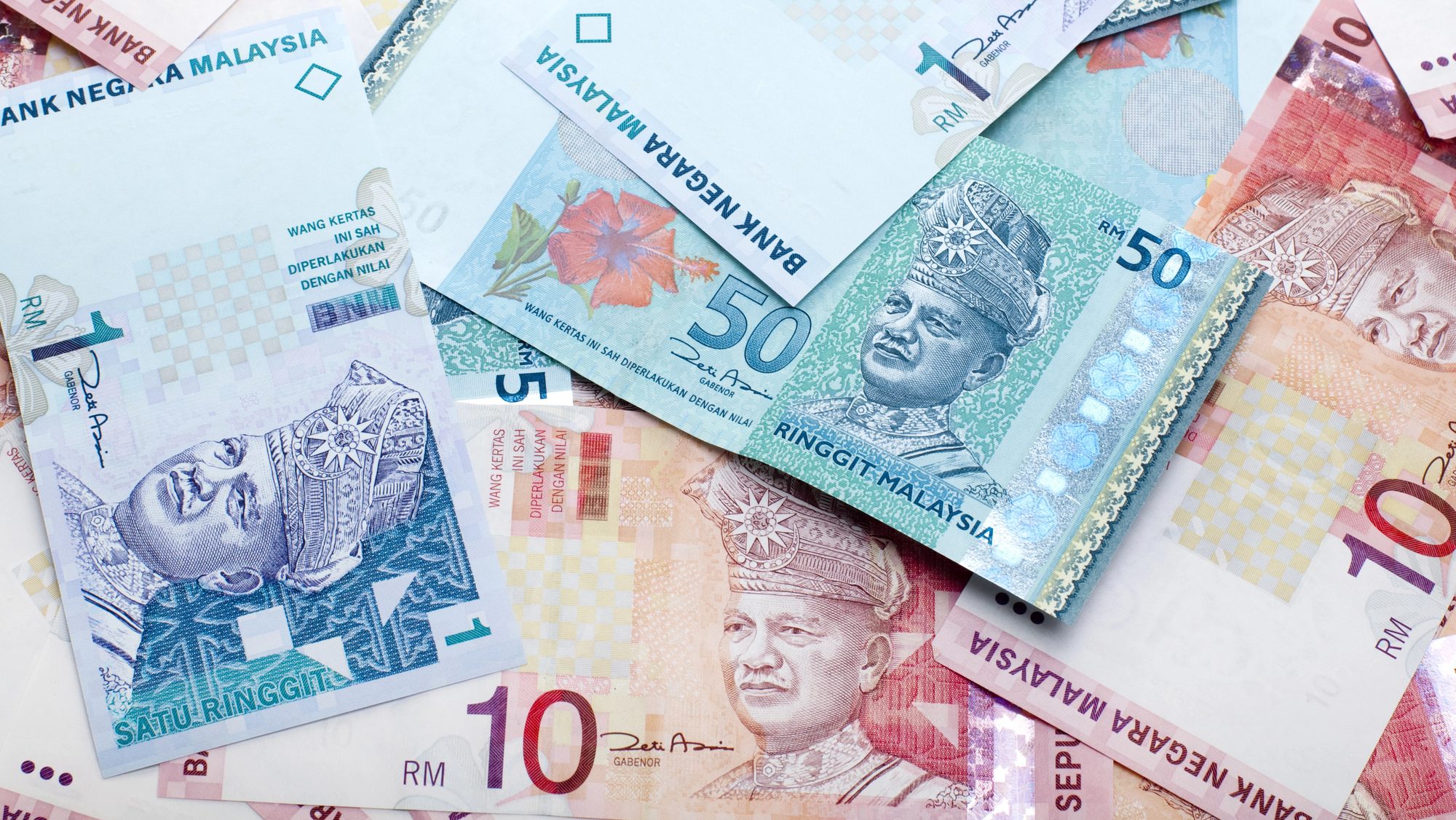

MALAYSIA: The Malaysian ringgit opened stronger on Monday (April 6), buoyed by a softer US dollar against the backdrop of persistent geopolitical tensions in West Asia. At 8 a.m., the currency improved to 4.0225/4.0425 against the greenback, compared with Friday’s close of 4.0295/4.0350.
According to Bank Muamalat Malaysia Bhd chief economist Afzanizam Rashid, the US dollar’s weakness reflects cautious market sentiment following remarks by Donald Trump regarding potential targeting of Iranian civilian infrastructure to secure the reopening of the Strait of Hormuz.
Performance against major and regional currencies
The ringgit’s gains were not limited to the US dollar. It strengthened across a basket of major currencies, appreciating against the Japanese yen, euro and British pound in early trading.
Regionally, the currency also edged higher against its ASEAN peers. Notably for Singaporean observers, the ringgit rose against the Singapore dollar to 3.1235/3.1398, up from 3.1341/3.1389 at Friday’s close.
It also posted modest gains against the Philippine peso, Indonesian rupiah and Thai baht, reflecting a broader trend of regional currency resilience amid shifting glo
Impact on Singaporeans and frequent border-crossers
For Singaporeans, particularly those who regularly travel across the Causeway or Second Link, a stronger ringgit carries immediate and tangible implications.
A firmer Malaysian currency means that the Singapore dollar does not stretch quite as far as before. Everyday expenses in Johor Bahru—from petrol and groceries to dining and accommodation—may feel marginally more expensive compared with recent months when the ringgit was weaker.
Frequent border-crossers who capitalise on price differentials may notice a slight erosion in savings, especially for big-ticket spending such as car fuel or bulk shopping trips. While the changes are not drastic, they could influence short-term behaviour, including timing of visits or spending patterns.
For Singapore-based businesses with operations or supply chains in Malaysia, the shift may also translate into higher costs when denominated in ringgit, depending on hedging strategies.
An uncertain future
Despite the ringgit’s current strength, the outlook remains uncertain. Much will depend on how geopolitical tensions evolve, particularly in energy markets, and how central banks respond to inflationary pressures.
For Singaporean readers, the key takeaway is that currency advantages can shift quickly in today’s environment. While cross-border affordability remains favourable overall, the margin is narrowing—at least for now—emphasising the importance of keeping an eye on both exchange rates and global developments.
 Follow Google News
 Join us on WhatsApp
 Follow us on Telegram