
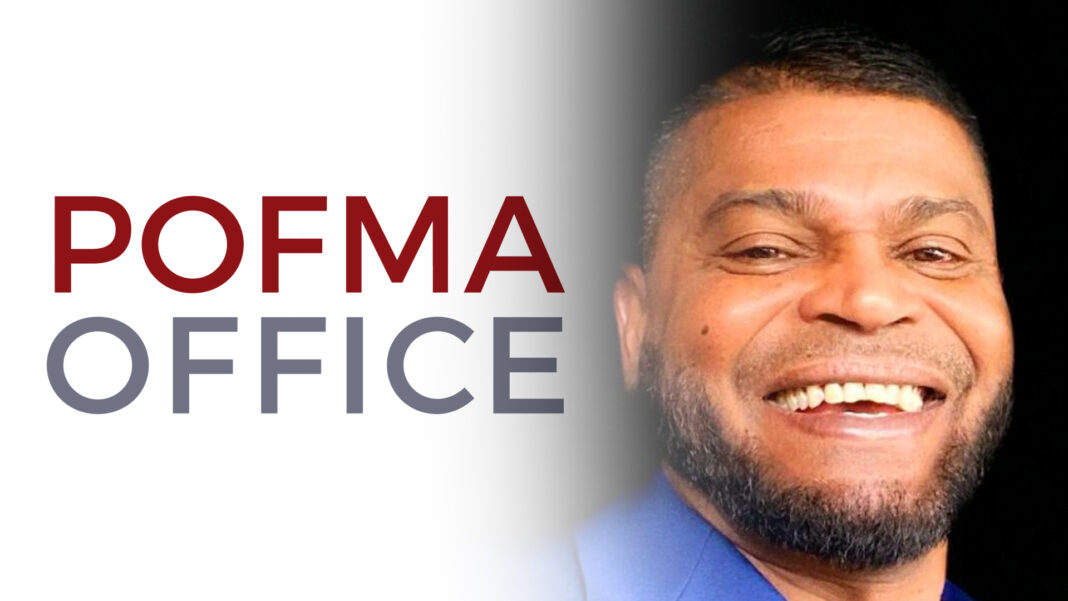

SINGAPORE: A 59-year-old man has been charged in court for allegedly spreading false information on TikTok, marking what appears to be the first criminal prosecution under the Protection from Online Falsehoods and Manipulation Act (POFMA).
Jay Ish’haq Rajoo was charged on March 11 with communicating false statements of fact online. He also faces separate charges for defamation and for attempting to stir ill will between racial groups. The accusations relate to several TikTok videos he posted between 2023 and 2025.
The videos allegedly included misleading claims about voting secrecy, Central Provident Fund (CPF) policies, and the affordability of Housing and Development Board (HDB) flats. One video posted in August 2023 allegedly suggested that Senior Minister Lee Hsien Loong’s decision to nominate Lucien Wong as Attorney-General reflected nepotism and a conflict of interest. Prosecutors say the claim was defamatory, Channel NewsAsia (CNA) reports.
Authorities had previously taken action against Rajoo. The POFMA Office and the Singapore Police Force issued him 24-month conditional warnings in 2024 after he failed to comply with correction directions linked to earlier online posts. A conditional warning requires the recipient to avoid further offences during the specified period. Prosecutors say Rajoo breached that warning through a TikTok video posted in 2025.
The August 2025 video allegedly claimed that Minister for National Development Chee Hong Tat had announced plans to bring mainland Chinese individuals to Singapore and groom them for leadership roles. The video also claimed that government resources were used only to nurture leaders from the Chinese race. Authorities said these claims were false. Rajoo was issued another POFMA order in September 2025 over the video.
Since the 2025 post allegedly violated the earlier warning, prosecutors also proceeded with criminal charges tied to the earlier videos, which were deemed to spread misinformation and incite public unrest. Rajoo told the court he intends to engage a lawyer. The case will return to court on April 8.
If convicted of communicating false statements of fact under POFMA, he could be fined up to S$50,000, imprisoned for up to 5 years, or both. A conviction for defamation carries a possible jail term of up to two years, a fine, or both. The charge related to promoting ill will between racial groups carries a maximum penalty of three years’ jail, a fine, or both.
POFMA, introduced in 2019, has mostly been used to issue correction orders requiring online posts to carry government clarifications.
In March 2022, Wake Up Singapore (WUSG) was issued a POFMA correction direction after publishing a claim that a patient had a miscarriage following a long wait at KK Women’s and Children’s Hospital. Investigations later found the allegation to be false, and the case eventually led to criminal defamation charges.
WUSG founder Ariffin Iskandar Sha Ali Akbar was fined S$8,000 in August 2024 for a false claim made by a Myanmar woman that was posted on the WUSG platform without proper verification. Chief Justice Sundaresh Menon allowed Mr Ariffin’s admission to the Bar in August 2025, stating that Mr Ariffin had admitted responsibility, apologised to the hospital, retracted the article, and cooperated with investigations. The court then found the offence stemmed from a failure to verify the claim rather than deliberate dishonesty, a Channel NewsAsia (CNA) report revealed.
In June 2025, in another POFMA case, The Online Citizen’s website and social media pages were again designated as “Declared Online Locations” under POFMA, preventing the platform from receiving financial benefits from operating its pages for an additional two years. Authorities said the move was necessary because the site had continued to communicate falsehoods on issues such as the death penalty and government social assistance policies.
This recent case involving an individual, Jay Ish’haq Rajoo, a TikToker, a case that is believed to be the first of its kind, suggests that repeated offences, especially after official warnings, may also lead authorities to escalate enforcement beyond correction notices.
 Follow Google News
 Join us on WhatsApp
 Follow us on Telegram