
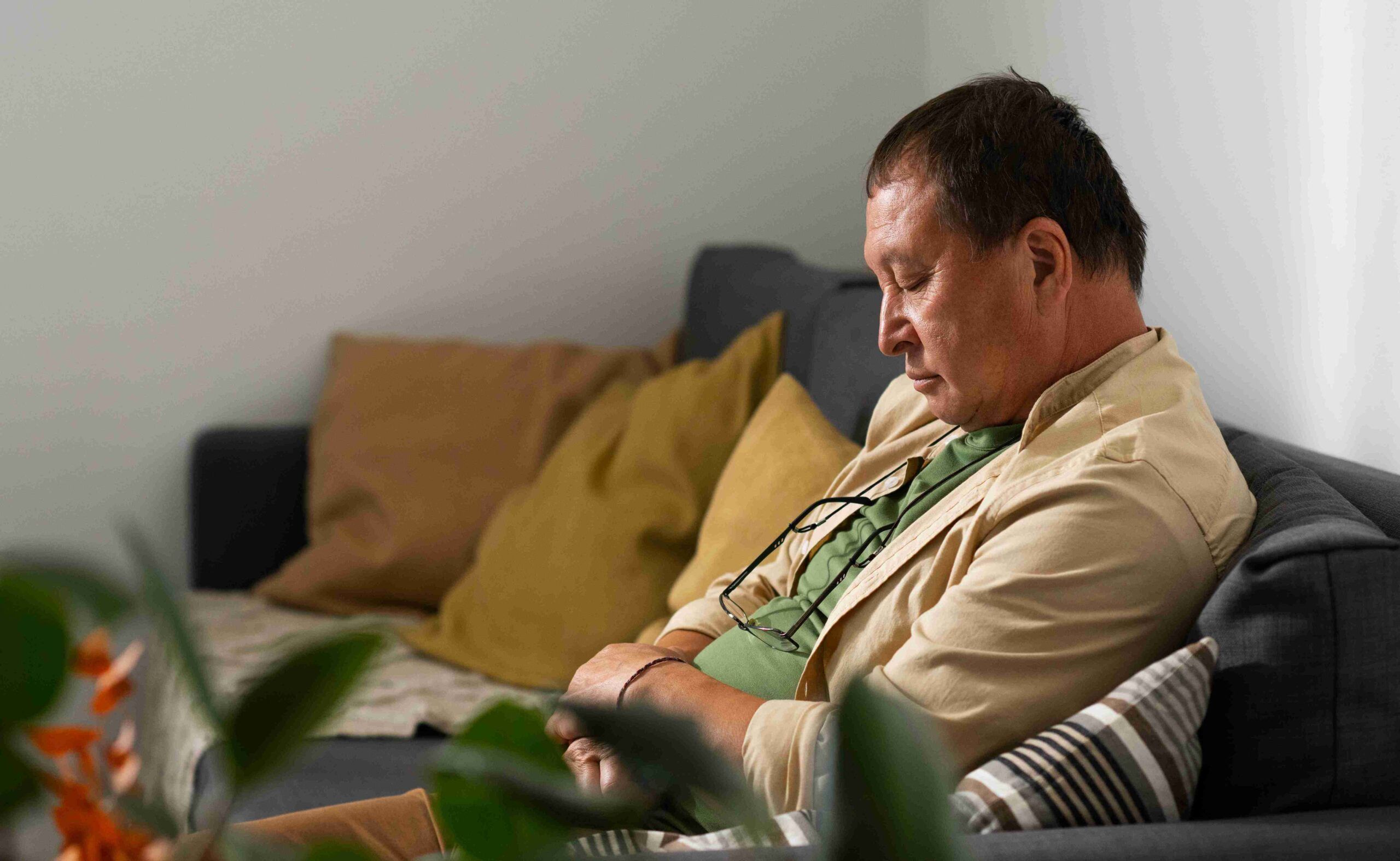

SINGAPORE: Older Singaporean men are disproportionately represented in suicide deaths among seniors, with experts warning that retirement, declining health, shrinking social networks, and an unwillingness to seek help can combine to leave many vulnerable later in life.
According to the latest figures released by Samaritans of Singapore (SOS), 120 people aged 60 and above died by suicide in 2024. Three-quarters of those cases involved men, with 90 male deaths compared with 30 female deaths.
Specialists say the imbalance reflects a complex mix of social, psychological and health-related factors that often emerge as men grow older.
Professor Paulin Straughan, director of the Centre for Research on Successful Ageing and a sociology professor at Singapore Management University, told CNA that traditional gender expectations have led many men to invest heavily in their careers, often at the expense of building lasting friendships and interests outside work.
She said paid employment gradually becomes many men’s “total self,” adding that they become “so overcompensated in their commitment to paid work that they leave insufficient time for building social networks”.
The impact of this often becomes apparent after retirement, when routines, identity, and daily purpose that once revolved around work suddenly disappear.
Prof Straughan said many people fail to prepare for this transition by nurturing hobbies or personal relationships during their working years.
“If you don’t spend time that is for nurturing your own hobbies, nurturing relationships, you’re going to face an empty four walls when you retire because you didn’t invest right in that preparation for retirement,” she said.
Retirement can also affect how older men view themselves within their families.
Associate Professor Dr Helen Ko, a gerontologist from the Singapore University of Social Sciences (SUSS), told CNA that many men were raised to believe their primary responsibility was to provide financially for their loved ones.
“There are a lot of men who tend to be expected to put food on the table, to be the breadwinner, to support the family,” she said.
As a result, leaving the workforce can undermine their sense of self-esteem and self-worth.
However, experts stressed that retirement does not have to mean losing purpose.
Ms Loh Yan Zhu, head of programme for counselling and coaching at the Tsao Foundation, said older men can redefine their roles within the family by shifting from being financial providers to emotional ones.
“One important shift we encourage is moving from being the family’s material provider to becoming an emotional provider,” she told CNA, “While they may no longer support the household financially in the same way, they retain a vital role in offering encouragement, sharing life experiences, and strengthening family bonds.”
Beyond retirement, deteriorating physical health is another significant concern.
As people age, chronic illnesses, persistent pain and reduced mobility can limit their independence and affect how they perceive their quality of life.
Dr Surej John, senior consultant and head of the Department of Psychiatry at Khoo Teck Puat Hospital, said declining physical health is an important risk factor for suicide among older adults, although it is rarely the only cause.
He explained that when physical illness occurs alongside depression, loneliness, bereavement or financial difficulties, the risk rises substantially.
Dr Lim Boon Leng, a psychiatrist at Gleneagles Hospital, said physical illness may also create fears of becoming dependent on others.
“A man who says, ‘I do not want to be a burden’ or ‘there is no point carrying on’, may be expressing depression or suicidal thoughts, rather than merely commenting on his physical condition,” he said.
Dr Lim added that studies have consistently linked physical illnesses and functional disabilities with suicidal behaviour, while loneliness and social isolation can further increase the risk.
Experts also highlighted the role of shrinking social circles.
Charlene Heng, deputy director of SOS, told CNA that many older men build most of their relationships through work. Once they retire, those workplace connections often diminish, leaving them increasingly isolated.
She noted that women generally maintain broader social networks and are more willing to seek support when facing emotional difficulties.
Experts also cautioned against assuming that older adults who live with family members are protected from loneliness.
They said simply sharing the same home does not guarantee meaningful interaction. Without genuine communication, an older person may still feel isolated, misunderstood or even perceive themselves as an invisible burden.
Untreated depression remains one of the biggest warning signs.
Dr Nur Farhan Alami, a geriatric specialist, said depression among older adults frequently presents differently from younger people.
Instead of openly expressing sadness, they may experience poor appetite, sleep problems or forgetfulness.
“They may experience many physical discomforts, but no real physical illness can be found,” she said.
She told CNA that depression can sometimes resemble dementia. Older adults who suddenly become forgetful or display marked personality changes may instead be experiencing “pseudodementia”, where depression affects concentration and cognitive function.
Doctors stressed that recognising depression early, seeking professional help and ensuring appropriate treatment and support can significantly reduce suicide risk.
Experts also noted that warning signs in older men can be more difficult to detect because many prefer solitude and are less likely to discuss emotional struggles. Increased alcohol or substance use was identified as another potential indicator that someone may be in distress.
Mental health professionals urged families not to dismiss conversations about death or suicide, stressing that every such comment should be taken seriously.
Experts from the Institute of Mental Health also encouraged families to check in regularly with older relatives and remain attentive to changes in behaviour or mood.
While women accounted for only around one-third of suicide deaths in Singapore in 2024, data from SOS showed they made up 62.5 per cent of people contacting the organisation through suicide-related calls and messages, suggesting women are generally more likely to reach out for help.
Dr Helen Ko said differences in how men and women build relationships should also be considered when designing support programmes.
She noted that women often form connections through face-to-face conversations, whereas men are more likely to bond over shared activities.
As a result, experts suggested that initiatives aimed at older men should focus less on traditional support groups and more on practical, activity-based programmes that help participants build trust, develop friendships and reduce loneliness over time.
 Follow Google News
 Join us on WhatsApp
 Follow us on Telegram