
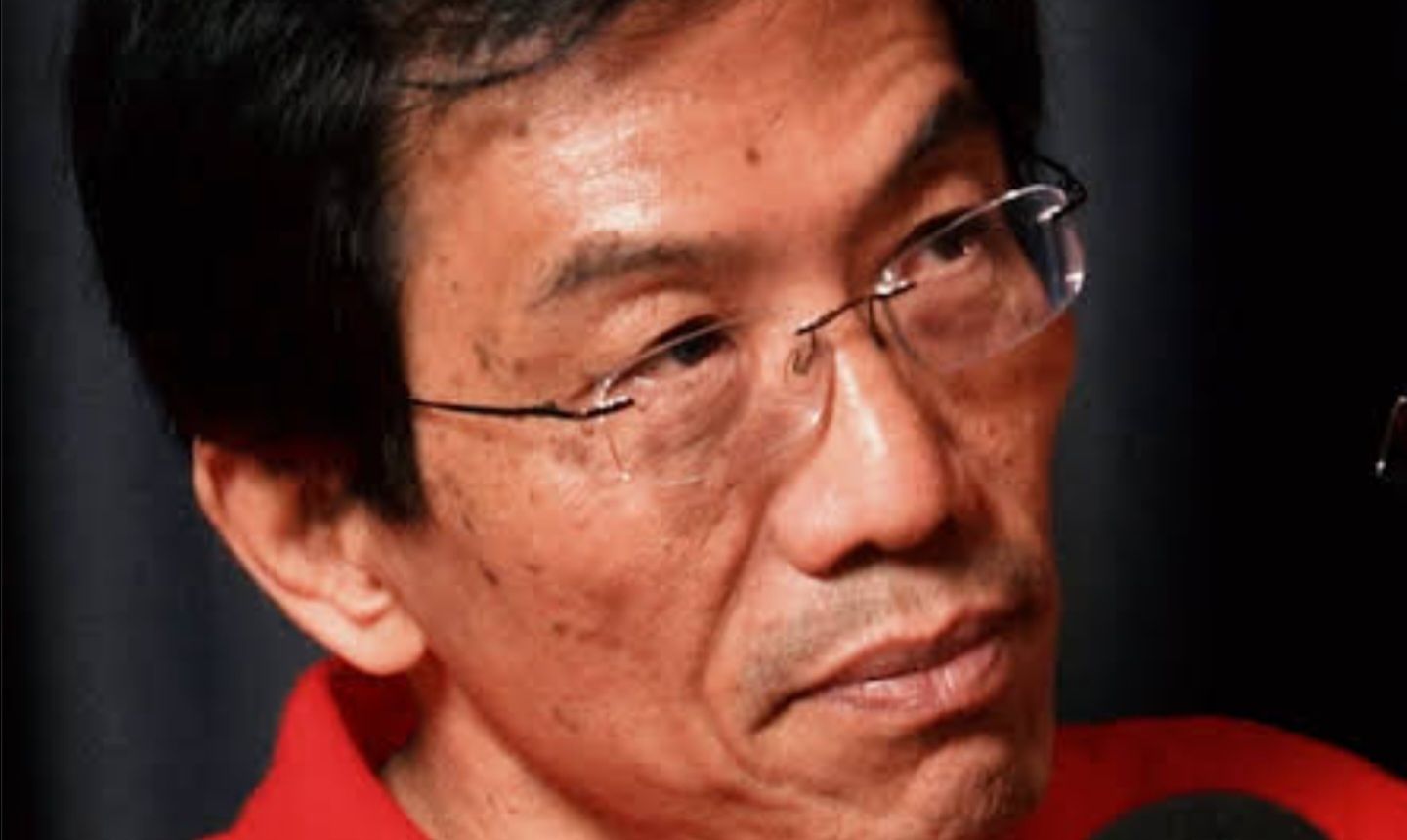

SINGAPORE: Singapore Democratic Party (SDP) chief Chee Soon Juan has laid bare the challenges of recruiting new talent and leadership renewal in a candid conversation with academic Walid J Abdullah in an episode of his Teh Tarik with Walid podcast.
During the podcast, Assoc Prof Walid pointed out that Dr Chee has served as the leader of the SDP for close to 33 years now and asked when he foresees handing the reins of the party over to a successor.
He asked, “You’ve been the sec-gen of SDP since 1993. Since then, we have had three Prime Ministers. Britain has had eight, including two women and one Indian. Anwar has gone to jail twice and become Prime Minister, and here you are. So is it time for a leadership change? Or what would it take for SDP to have a leadership change?”
Dr Chee asserted that first, those considering this issue should recognise that this matter involves the leadership of an opposition party. He said, “Let’s make sure we’re very clear on this. We’re talking about the opposition, we’re talking about the SDP…There’s no perks. You don’t have $180,000 waiting for you in the bank every month. There is no office. You literally have to work just based on your sheer willingness to push yourself. No monetary incentive.”
Revealing that there are few interested in being his successor, he asked, “Is it any wonder that you don’t get a long line of people knocking on the door saying ‘I want to be sec-gen’ and at the same time you run the risk of getting hit by lightning over and over again, right?”
The veteran politician asserted that there is no comparison to be made between the ruling party and the SDP in this matter. He said, “You see, people get the wrong impression saying that ‘Oh my goodness, you know sec-gen of SDP is like sec-gen of PAP’. No. No. I assure you that it’s not.”
Despite this, Dr Chee expressed excitement at the new faces that have joined the party in recent years. He said, “Nevertheless, we’ve been just working our way up to get more and more and more people to come in our ranks. Before the internet, it was difficult trying to attract people, but since then, we’re seeing a burgeoning, especially in the last elections.
“We’ll continue to mentor, groom them, and hopefully we’ll get a whole batch of candidates that we can field in 2030. I’m very excited about this. And through them, the leaders will emerge and be able to take over as sec-gen.”
Dr Chee’s remarks come after more than three decades at the helm of one of Singapore’s longest-standing opposition parties. He became secretary-general of the SDP in 1993, taking over leadership during a turbulent period in the party’s history after a highly publicised split with former leader Chiam See Tong.
Over the years, Dr Chee has become one of the most recognisable and controversial figures in Singapore opposition politics. His political career has been marked by repeated legal battles, defamation suits and periods of financial hardship, with the longtime opposition leader often positioning himself as a vocal critic of the ruling People’s Action Party (PAP) on issues ranging from civil liberties and freedom of expression to cost of living and healthcare policies.
In the 1990s and 2000s, Dr Chee was frequently in the spotlight for his activism and confrontational style of politics, which included public protests and speeches that led to arrests and convictions under Singapore’s public order laws.
Despite years of political setbacks and electoral defeats, Dr Chee remained at the centre of the SDP’s rebuilding efforts. Under his leadership, the party gradually shifted towards a more policy-driven approach, releasing detailed policy papers and alternative national proposals on issues such as housing, healthcare, education and employment.
In recent election cycles, the SDP has also attempted to broaden its appeal by fielding younger candidates and expanding its outreach through digital platforms and social media.
Although the SDP has yet to secure a parliamentary seat under Dr Chee’s stewardship, the party has remained one of Singapore’s most recognised opposition parties.
 Follow Google News
 Join us on WhatsApp
 Follow us on Telegram