
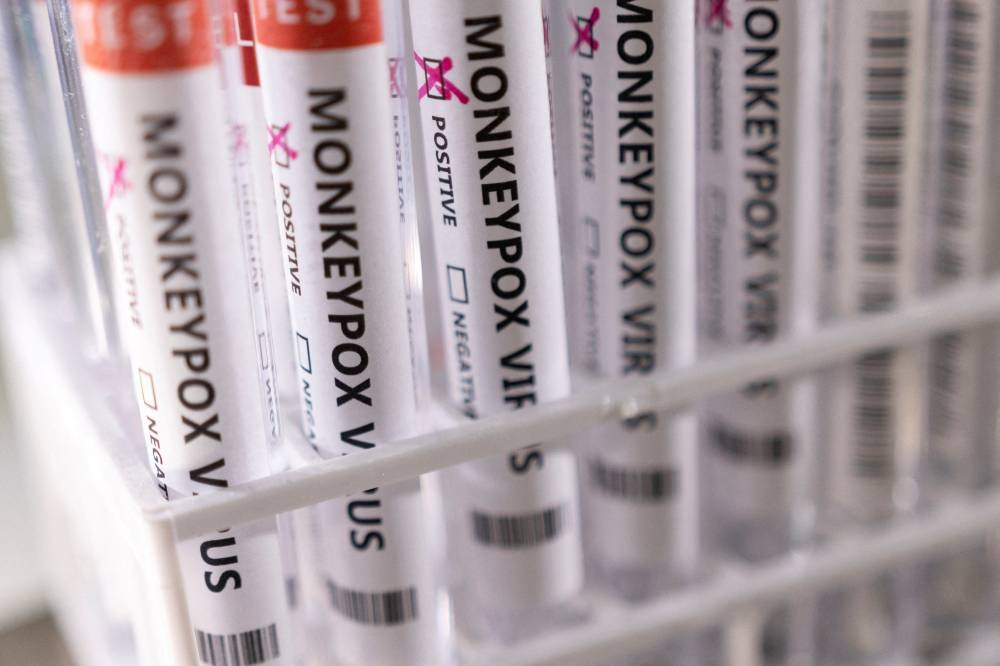
More jabs and/or lockdowns? Netizens react to announcement of monkeypox becoming a global health emergency

The head of the World Health Organisation (WHO) said at a media briefing on Saturday (July 23) that the current monkeypox outbreak represents a global health emergency.
WHO director-general Tedros Adhanom Ghebreyesus said that he reconvened the emergency committee “in light of the evolving monkeypox outbreak with over 16,000 reported cases from 75 countries & territories.”
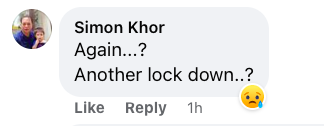
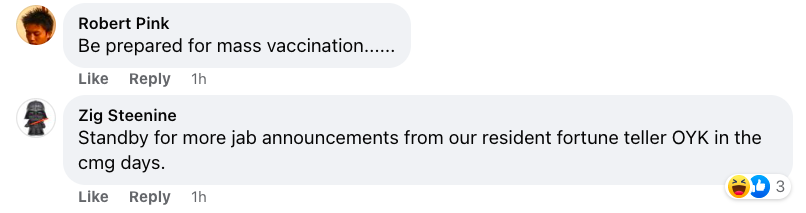
Netizens in Singapore reacting to the announcement expressed concerns that more vaccinations and/or lockdowns would be needed.
However, at this point, the global emergency is more about releasing funds to combat the spread of infections and for countries to work together toward curbing the spread.
For the WHO to declare a “public health emergency of international concern” means that an alarm has been made for a coordinated international response to the spread of disease as well as the possibility for funding to be allocated and international efforts for sharing treatment and vaccines.
While effective treatments and vaccines for monkeypox are already available, these supplies are not enough.
Monkeypox is a viral disease caused by infection of the monkeypox virus. Most patients recover from the infection within two to three weeks. Some symptoms of monkeypox typically include fever, headache, muscle ache, backache, swollen lymph nodes, chills, lethargy and skin rashes.
“Transmission occurs when a person comes into close contact with the virus through an infected animal, infected person, or contaminated environment… Human-to-human transmission can occur via exposure to respiratory droplets or direct physical contact with the blood, body fluid or lesion material from infected individual or contaminated materials,” the Ministry of Health says.
An expert group with the WHO had previously been divided on whether the situation should be declared a global health emergency, and Dr Tedros broke the deadlock.
Newsletter
Get updates straight to your inbox
And while infections have mostly been spreading among adult males, on Friday (Jul 22), the United States reported that it found two cases of monkeypox in children.
There has been pressure from public health experts and scientists for the WHO, as well as for national governments, to act on the spreading infections, which began to be reported in May.
Nevertheless, perhaps fresh from the Covid pandemic, netizens anticipate coming rounds of vaccinations and maybe even lockdowns.








 /TISG
https://theindependent.sg/moh-confirms-2nd-3rd-local-monkeypox-cases-one-day-apart/
/TISG
https://theindependent.sg/moh-confirms-2nd-3rd-local-monkeypox-cases-one-day-apart/