
LTA, SBS Transit, and SMRT to jointly run Singapore Rail Academy from Nov 1 with expanded mandate to harmonise rail workforce training

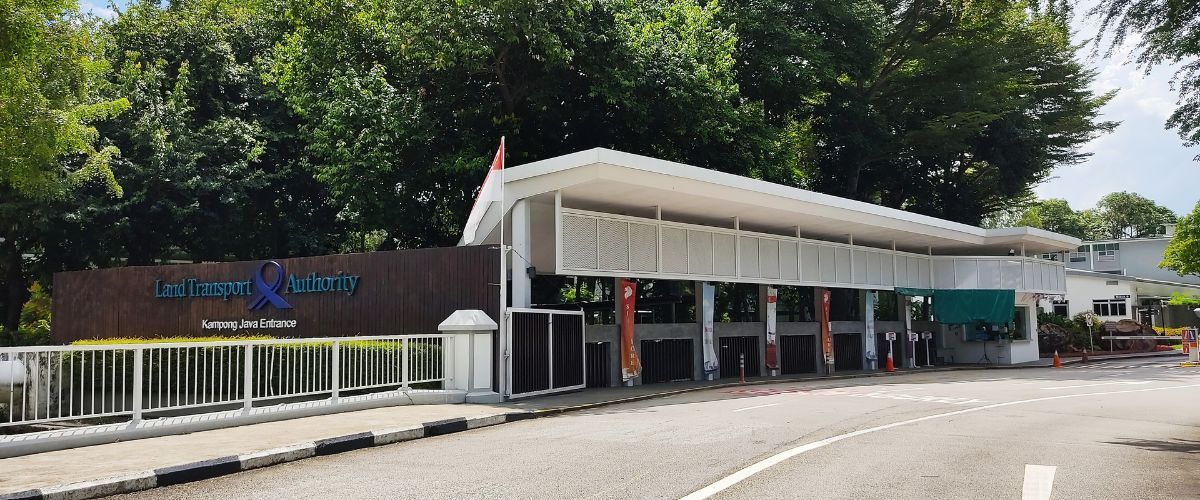
Photo: LTA Kampong Java Entrance
SINGAPORE: The Land Transport Authority, SBS Transit Rail and SMRT Trains have signed a Collaboration Agreement to jointly administer the Singapore Rail Academy (SGRA) from Nov 1, 2026, giving the academy an expanded mandate to strengthen the training and professional development of Singapore’s rail workforce.
The change follows the recommendations of the Rail Reliability Taskforce, released in February 2026. The SGRA will take a more coordinated, sector-wide approach, with harmonised training policies and standards, industry-recognised certification, and clearer career pathways. The aim is also to make the rail sector more attractive to a new generation of engineers, technicians and operations staff as the network expands, adopts more advanced systems and renews existing lines.
Joint administration
LTA established the SGRA in 2017. It now conducts more than 20 training sessions a year for about 500 rail engineers who are new to the industry. Its programmes complement those of the operators’ own training institutes, SMRT Institute, and SBS Transit’s Rail Training Institute, which train the wider operations and maintenance workforce, including line-specific competencies.
Under the new arrangement, LTA and the two operators will share ownership of training outcomes and the operators will help shape sector-wide capability development. LTA said drawing on their frontline experience should improve the quality, rigour and relevance of the curriculum, and lift standards across a wider share of the operators’ workforce.
Harmonised standards and new certification
The SGRA will work with industry and academic partners to broaden its curricula and competency assessment frameworks to cover areas such as artificial intelligence, condition monitoring, and simulation-based training. It aims to expand the use of AI-enabled team-based simulators, which would let staff from different functions train together on complex scenarios such as major service disruptions.
It will also set harmonised training and competency standards across a wider range of maintenance and operations roles. Operators will keep their own training institutes, but the SGRA will audit adherence to the standards and the quality and relevance of training.
Other measures include:
WSQ framework: From early 2027, the SGRA will progressively establish a rail-sector Workforce Skills Qualifications framework, starting with Basic Certificates in Railway Operations and Railway Maintenance.
Professional certification: A new sector-wide scheme will recognise rail professionals with exceptional expertise, with a target of 20% of the operations and maintenance workforce certified. These professionals will serve as trainers for junior colleagues.
Newsletter
Get updates straight to your inbox
Advisory Panel: Leading international and local rail experts will advise on best practices in training and capability development.
Education and career pathways
The SGRA has signed Memoranda of Understanding with ITE, Nanyang Polytechnic, Republic Polytechnic, Singapore Polytechnic and the Singapore Institute of Technology to develop more structured education and training programmes for the sector, including at Higher Nitec and Diploma levels.
The institutes will explore new Work-Study programmes with public transport operators, allowing rail workers to gain further qualifications while working. They will also work with the SGRA on Continuing Education and Training programmes and explore recognition of relevant courses and certification offered by the SGRA and the operators’ training institutes.