
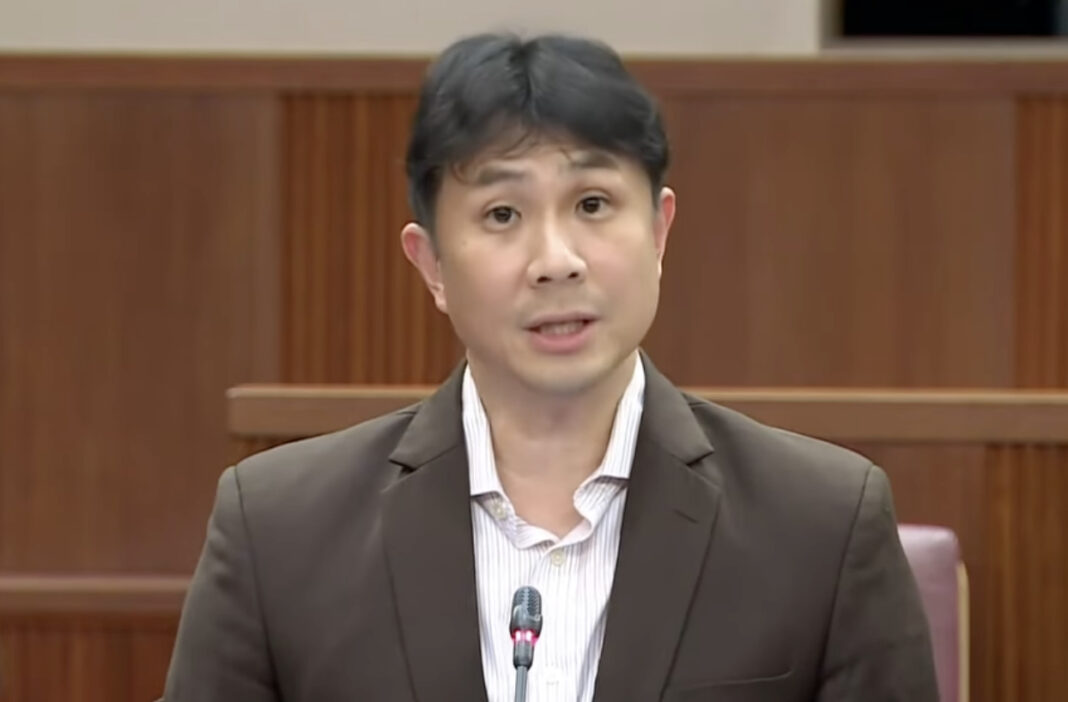

SINGAPORE: In a recent speech in Parliament, the Workers’ Party’s (WP) Jamus Lim (Sengkang) argued for establishing an on-the-job training programme on a national level, saying that apprenticeships, internships, and mentorships are essential for preparing workers in the age of Artificial Intelligence.
“Most of the skills needed for our jobs are not learned in the classroom, but in live settings with on-the-job training,” the MP said, adding that the current available programmes are inadequate.
He noted that the SkillsFuture’s Assessment-Only Pathway places too much of an emphasis on certification rather than demonstrated skills, Career Conversion Plans are limited, and Career Trial programmes do not provide structured training. While the GRaduate Industry Traineeship (GRIT) programme shows promise, it does not have enough open positions.
“Agentic AI threatens to replace the need for entry-level positions. Yet without a pipeline to train new hires—especially on the job—there will be a conundrum: a shortage of experienced, mid-level workers, which remain in high demand,” he warned.
The MP, an Assistant Professor of Economics, then proposed creating a national framework for apprenticeships, internships, and mentorships that would
- Expand on-the-job opportunities in many sectors, not just STEM or finance.
- Improve matching between workers and firms
- Provide clear training pathways and certifications gained through work experience.
- Support fields beyond academic professions, including crafts, arts, culinary work, and other skilled trades.
Assof Prof Lim said that this could work even better with two additional proposals.
One, Singaporeans should be allowed to use their SkillsFuture credits, including the mid-career credit, for OJT. This way, credits would subsidise apprenticeships or internships and help companies pay for training costs.
Two, trainees in OJT programmes should be treated like other employees under Singapore’s labour laws, in that they should be given legal protections and rights, such as leaves.
These programmes, he added. should typically last between 6 and 12 months, and offer a potential pathway to permanent employment.
“With youth unemployment now hovering a full percentage point above what it was a few decades ago—and potentially rising as AI displaces even more entry-level positions that fresh grads used to fill—we need a pipeline to train the young on the job more than ever, so that we’ll get the experienced workers employers still want.
Such stints should include pathways to eventual employment, and most importantly, be open to a wider range of pursuits: nonacademic areas like the culinary arts, music, and sport; artisanal practices like horology and furniture-making, and professions relying on experience over book smarts.
This is how we’ll train a workforce ready to take on AI,” he wrote in a March 10 Facebook post. /TISG
 Follow Google News
 Join us on WhatsApp
 Follow us on Telegram