
Indonesian woman who came to Singapore on MOE scholarship says the hardest part was feeling like she didn't belong
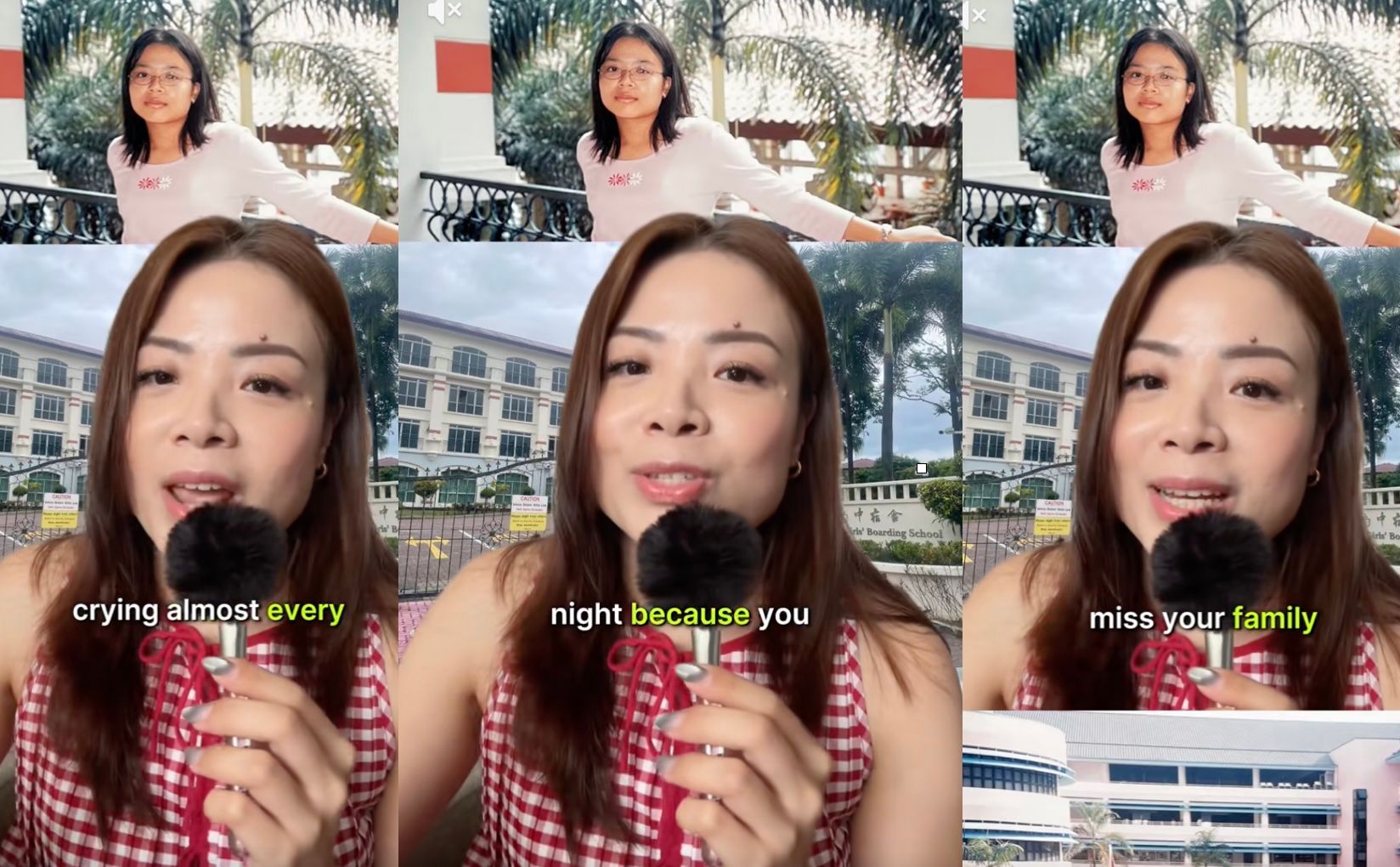
SINGAPORE: A former scholar from Indonesia who came to Singapore as a teenager got real in a TikTok video about the challenges of moving to another country for a better life, saying that while trading her green passport for a red one had been one of the best decisions she has ever made, it also came at a price.
Grace Gumala shared her experiences in the context of “kabur aja dulu,” which translates to “just run away first.” It’s been a trend among young Indonesians for the past couple of years, where they’ve expressed frustration with the domestic situation, including the lack of good jobs amid high expenses and unfavourable government policies. More than that, however, they explain that this is why they choose to move overseas for better opportunities instead of staying in their home country.
Ms Gumala provided a bit of a reality check, opening her video by saying that for the first 10 years of living in Singapore, she hardly had any Singaporean friends.
“I left Indonesia at 14 to study in Singapore through an MOE scholarship. And yes, it was one of the best decisions I’ve ever made,” she said.
She acknowledged, however, that people love to romanticise migration, since it brings better opportunities, pay, education, and quality of life.
However, the downside of moving away is almost never discussed, added the content creator.
“Nobody talks about the part where you are crying almost every night because you miss your family. Nobody talks about the part where other kids could go home to their parents, get tuition, get emotional support, (while) we are left alone to figure everything out with very limited resources,” she said.
She also talked about having been a top student in Indonesia, but when she got to Singapore, she “suddenly became average.”
Ms Gumala was surprised to discover she had poor English skills and her accent was misunderstood by others, and for the first time in her life, she felt “super mediocre.”
But this wasn’t even the hardest part; rather, it was the feeling that she didn’t belong.
She said that in the first decade of her life in Singapore, she spent time primarily with her countrymen, as they were the only ones who made her feel understood.
Newsletter
Get updates straight to your inbox
This was her experience as a student in her teens, but for working adults, the situation is even more difficult, as so much depends on their employer, including their visa and the possibility of staying in Singapore.
And while Ms Gumala said she understands the appeal of “kabur aja dulu,” she added: “At the end of the day, whether we stay or leave, we are all just trying to make the best out of the cards we’ve been dealt with because leaving home is never just leaving home.” /TISG