
‘Everything went up but my pay’: Singaporeans feel the squeeze as prices rise
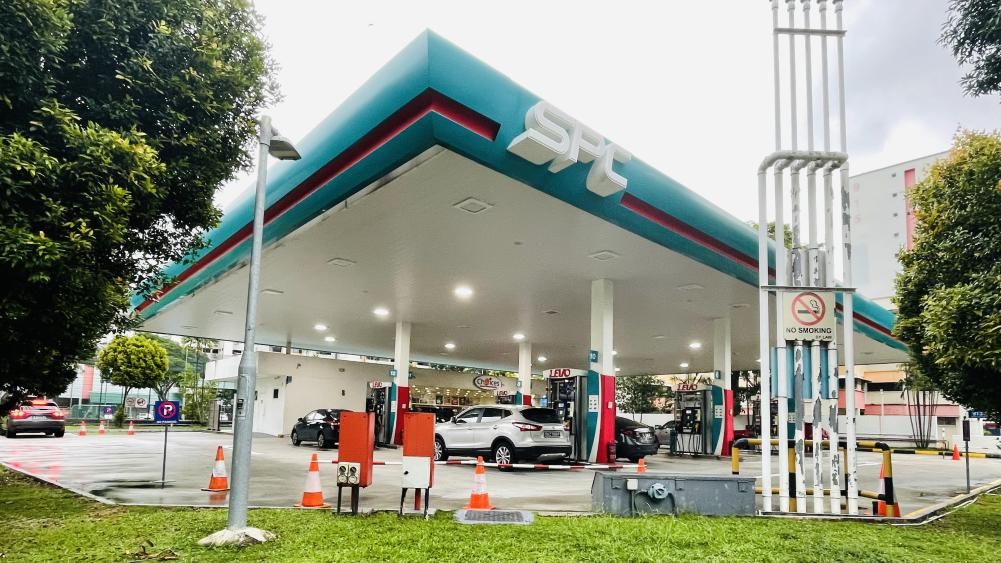
SPC Tampines Ave 4
SINGAPORE: As prices have risen recently due to the energy emergency in the wake of the war in the Middle East, Singaporeans online have been expressing concerns, with some worrying that their salaries will not be able to keep up.
On March 31, SP Group said that the household electricity tariff for the second quarter, from April to June, will go up by 0.56 cents per kWh before the goods and services tax (GST).
Additionally, prices at fuel stations, especially diesel, rose on two consecutive days, April 2 and 3.
In a video message on April 2, Prime Minister Lawrence Wong warned Singaporeans concerning the disruption of fuel and a more unstable global environment, saying that a ministerial committee would be formed to coordinate a national response.
“If the critical Middle Eastern energy sources and supply routes remain constrained for an extended period, the consequences will be severe. It will not just mean higher prices. We could face a global energy crunch – disrupting daily life and production activity and putting significant pressure on economies everywhere.
Output would weaken sharply, even as prices continue to rise. It’s what economists describe as stagflation. Once that takes hold, it is deeply damaging and very hard to bring under control,” the Prime Minister said, adding that the government plans to cushion the immediate impact of the crisis on households and businesses, including additional U-Save rebates to help households cope with higher electricity costs.
The fuel supply disruption has also resulted in higher airfares, and upticks in taxi fares and ride-hailing surcharges. This is affecting small and medium enterprises more than large ones, and costs are likely to be passed on to customers.
An April 3 Straits Times report highlighted the impact of the situation on business owners, who are worried about sustainability as prices are not likely to fall soon.
What Singaporeans are saying
On social media, some have taken to sharing their experiences with higher prices.
“Just topped up my petrol yesterday again. It’s probably the first time to date, after driving a car for 30 years or so, that the pump price showed $153 vs my usual $100 /- ?? (after discounts, etc). Hence, approximately a 50% increase for our motorists.
”Kopi Peng went from 1.90 to 2.10,” noted a Reddit user, while another wrote, “Yes, my kopi peng at Kopitiam 2.10 at Bedok.”
Newsletter
Get updates straight to your inbox
“My chicken rice went from 7 SGD to 8 SGD,” a commenter chimed in.
“The cost of living and standard of living are high in Singapore. Water and electricity bills increase again, too!” remarked a third.
Several netizens touched on what has not gone up.
“No, something is not increasing for sure!!! My salary is not increasing, but everything is increasing. Our government is making us pay more for everything but not telling our employers to pay us more,” a Facebook user grumbled.
“Price increases 10%, our salary does not increase this much. Cost of living all increased, salary only increased less than 10%,” agreed another, calling the situation “unbalanced.”
A Reddit user lamented, “Everything went up but my pay.” /TISG
Read also: Singapore braces for ‘hard times ahead’ as PM Wong warns of fallout from Iran war