
'Don’t start a business—buy one': How Flippa helps Singaporeans become entrepreneurs

5 m read
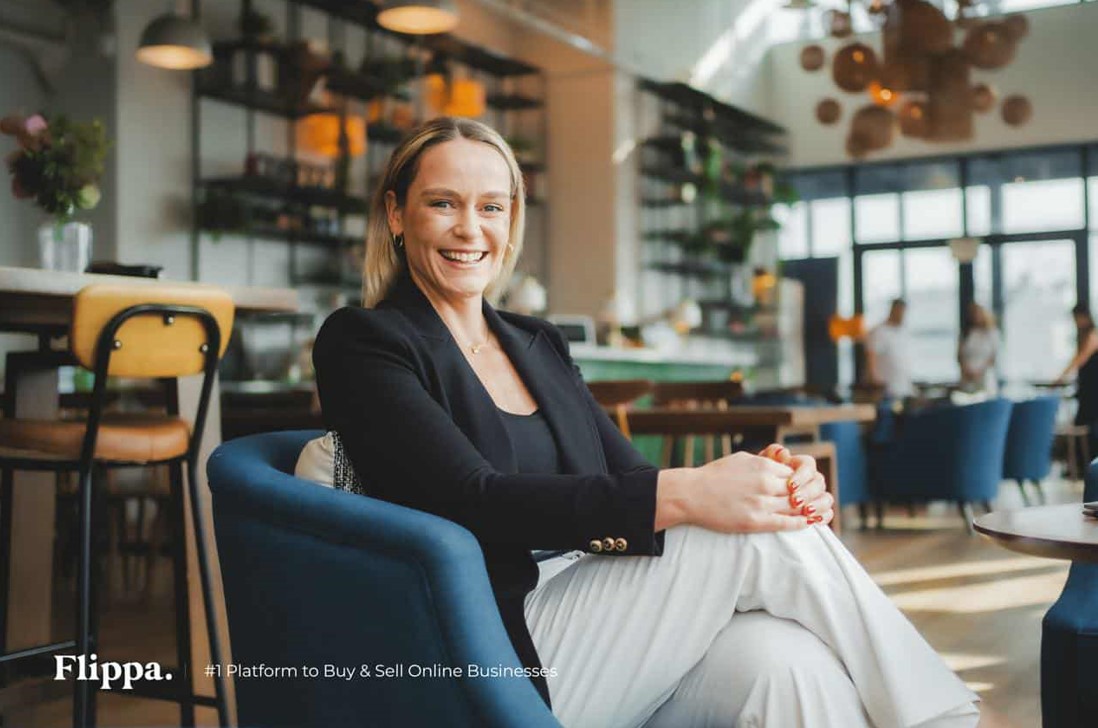
SINGAPORE: Plenty of Singaporeans want to be entrepreneurs. And that means launching their own company. But starting from zero means a lot of uncertainty before you even see a cent, on top of long hours and restless nights. But the easier route? Buying your own business.
Despite the economic uncertainty of the last few years, the entrepreneurial dream is alive and well among Singaporeans. A 2019 study by NUS Enterprise found that a number of non-founder alumni had an interest in starting their own business. This year, a Mastercard study noted that 64% of Gen Z women in Singapore considered entrepreneurship.
2023 saw ACRA, the government agency responsible for business registration, report more than 70,000 new companies being formed. This was in contrast to 50,000 businesses closing down.
Entrepreneurship in Singapore is skewed towards startups in sectors like technology, fintech, and biotech. In comparison, buying an existing business is much less common.
But that could change with Flippa, an Australian mergers & acquisitions (M&A) company with its roots in Melbourne, that lets people buy and sell online businesses. And it's placed a wager on Singapore as its Asian entry point.
“We saw a huge gap in the market,” says Fiona Laidlaw, Flippa’s APAC Lead. “There was no platform offering investment banking-style mergers & acquisitions (M&A) services to everyday business owners or buyers. That’s what Flippa is—investment banking for the 99%.”From side hustlers to serious investors
Flippa is a marketplace for online businesses, dealing in assets like e-commerce stores, YouTube channels, content websites, online courses, and software as a service (SaaS) companies. And many are cash flow positive, generating six or even seven figures in annual revenue. And for people who want to be their own boss or build up a passive income? This means skipping years of trial and error without having to lose a case in the near term. “Back then, small business owners didn’t really have an exit path,” Laidlaw says, reflecting on Flippa’s early days in 2009. “Some would say they’d just retire and let the business die. That’s a loss for everyone—clients lose their service, and founders leave value on the table. We want to change that.” Flippa has over 400,000 weekly active buyers, 6,000 of which are family office and private equity funds. The platform typically deals in digital businesses priced ranging from $100,000 to $5 million. Some buyers count these as an investment. Others view it as a way to become their own boss without starting from zero. Flippa’s focus on Southeast Asia comes at a telling moment. Laidlaw explains: "We attended an event in Singapore and were shocked—many founders here didn’t know they could sell their business. There was no real online M&A solution in this part of the world.” Since then, Singapore has become Flippa’s APAC base as it zeroes in on the region. Flippa plans to deepen its footprint in Vietnam, Thailand, and India. Each market offers something unique. Vietnam? An e-commerce hub. Malaysia? Ideal for SaaS. Meanwhile, Singapore and Hong Kong remain financial powerhouses and buyer centres.The kind of businesses buyers want
Laidlaw says the fastest-growing segments include YouTube channels, B2B SaaS companies, and what she calls “autonomous content” businesses. These are ventures that don’t depend on a founder’s personal brand. “We’re working on a listing for an English course platform run by contract teachers. The owner isn’t the face of the brand. That detachment increases valuation—buyers want assets they can take over easily,” she explains. She highlights how investors value businesses with recurring revenue, low churn, and strong intellectual property (IP). Why? All these qualities make them easier to run and expand.Micro PE & ease-of-use
Beyond full business acquisitions, Flippa is also tapping into micro private equity (micro PE). This means acquiring smaller but profitable businesses in the $100K–$5M range. “Why spend tens of millions on a company with high burn when you can buy something smaller, profitable, and ready to scale?” Laidlaw asks. Flippa has also launched Flippa Invest, a service that lets people buy partial shares in businesses. While not fully rolled out globally due to licensing rules, it's a small step in making digital M&A more accessible. The platform's approach also combines tech with human expertise. It's AI-powered buyer matching, which works like TikTok or Instagram’s recommendation algorithm, surfaces relevant businesses for buyers based on their interests. It also offers Flippa Pay, a secure payment service that supports currencies like the Singapore dollar. In addition, it partners with local law firms to handle the legal side of deals. For Laidlaw, it's all about lowering barriers for new investors and sellers. “We want smooth transactions,” she says. “Our role is to guide both sides, making the process as stress-free as possible.”Why this matters for Singaporeans
Singaporeans aren't strangers to side hustles. Many focus on building something new, but buying an existing business means getting straight to profitability. And for those looking to move on to new projects from their online hustle? Whether it's a niche blog, Shopify store, or digital course, Flippa's platform offers them a way to sell their business, an exit strategy some might never have considered. “Many Singaporean founders don’t realise they can sell,” Laidlaw says. “That’s changing, and we’re seeing strong repeat activity from sellers here.” In the local scene, Flippa's growing its deal flow by working with the likes of Google AdSense, Amazon Global, and Crib to spread the word. Other players it's tied up with include local accelerators, VC funds, and founder networks in the startup space. With entrepreneurship often glamorised — but with high personal and financial stakes attached — Flippa opens another door. It lets Singaporeans own, grow, or sell a business with a lot less guesswork. As Laidlaw sums it up: “For Singaporeans, this is the perfect time. There’s demand, there’s liquidity, and there are opportunities waiting. You don’t need to reinvent the wheel. Just buy it, and grow it.”Newsletter
Get updates straight to your inbox