

SINGAPORE: Singapore’s largest bank is stepping into the cost-of-living conversation with a practical move. From August to September, DBS will roll out S$10 million in cashback redemptions for everyday spending.
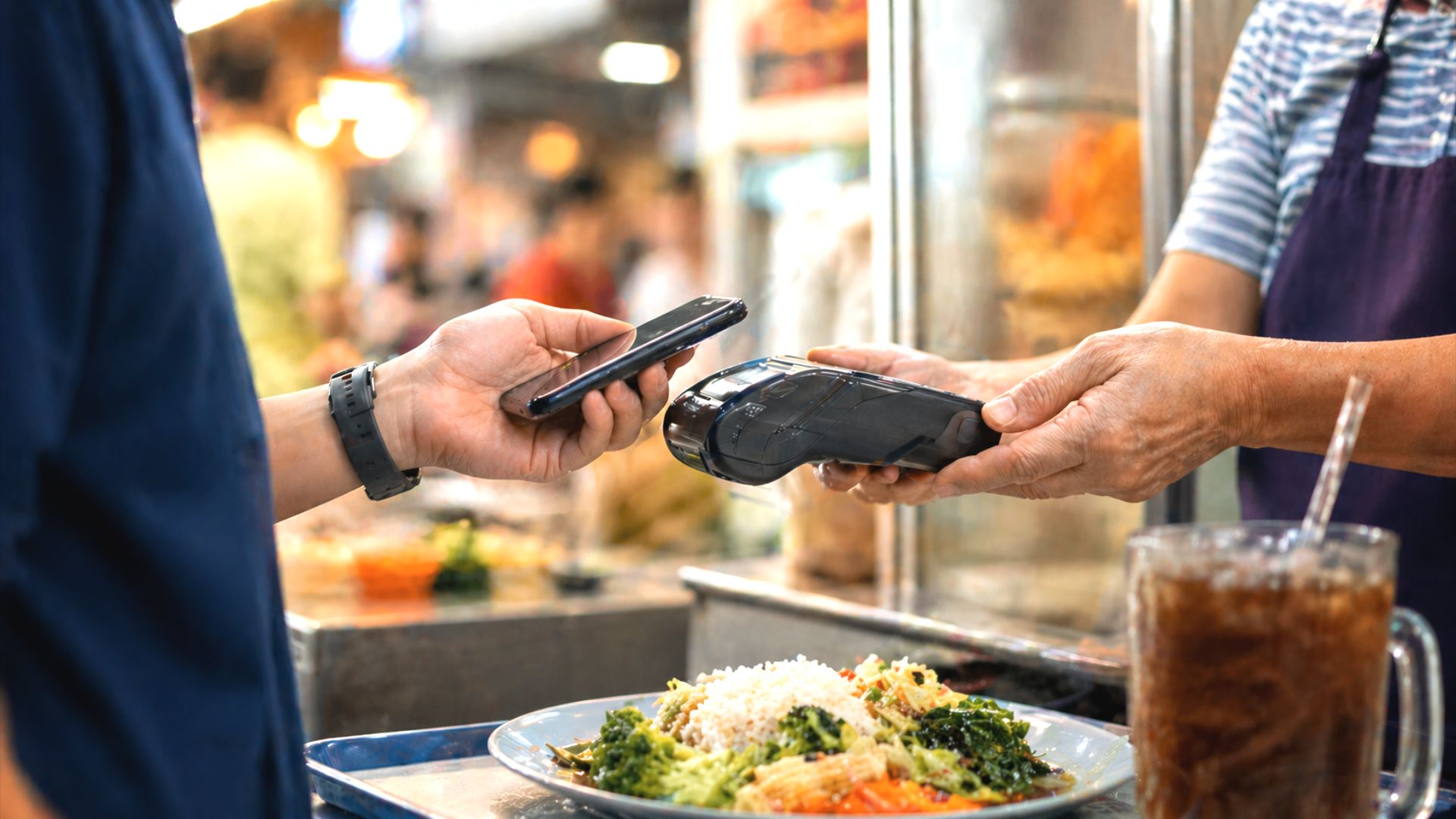
The plan targets where most people feel the pinch: groceries, hawker meals, and heartland shops. More than three million redemptions are expected, with an added S$3 cashback for hawker and neighbourhood purchases every Saturday, Channel NewsAsia (CNA) reports (April 25, 2026).
Lowering bills at places people visit often
The bank is setting this up to ease daily costs rather than as a one-off perk. In simple terms, it lowers the bill at places people visit every week.
The timing is also deliberate as food prices and daily essentials remain a concern, especially for middle-income households. A few dollars back per transaction may not change everything, but it does help stretch spending in a visible way.
Details on how to redeem the cashback will be released in July. The programme covers DBS and POSB cardholders, as well as users of DBS PayLah.
Extending support to small and medium enterprises (SMEs)
Alongside the cashback move, DBS is extending advisory and training support to small and medium enterprises (SMEs), with a focus on artificial intelligence (AI) adoption.
Through its upgraded Spark GenAI programme, businesses will receive training and advisory support based on their readiness. The effort includes workshops run with the Infocomm Media Development Authority (IMDA), as well as access to a global pool of solution providers via IMDA’s Open Innovation Platform.
DBS has also introduced a guidebook to help SMEs understand and apply AI in a practical way, without overcomplication.
Shared responsibility in easing cost-of-living pressures
Speaking at the event, Acting Transport Minister and Senior Minister of State for Finance Jeffrey Siow pointed to a familiar theme in Singapore’s approach to economic strain.
His message, in essence, was that support shouldn’t fall on one group alone. Government, businesses, and society each have a role in easing pressure when costs rise.
Immediate relief for consumers, longer-term support for businesses
This initiative sits at the intersection of two trends. On one side, households are watching their daily spending more closely. On the other hand, businesses are being nudged to modernise and stay competitive.
DBS is trying to address both in one sweep: immediate relief for consumers, and longer-term support for businesses.
It is not a sweeping fix, but it is targeted, visible, and easy to understand, which may matter more than large but abstract schemes.
Helping people where they actually spend
Cashback alone will not solve rising costs, but small, steady relief tied to daily habits can make a difference over time.
For banks and large firms, this sets a simple standard: help where people actually spend, not just where it looks good on paper.
 Follow Google News
 Join us on WhatsApp
 Follow us on Telegram