
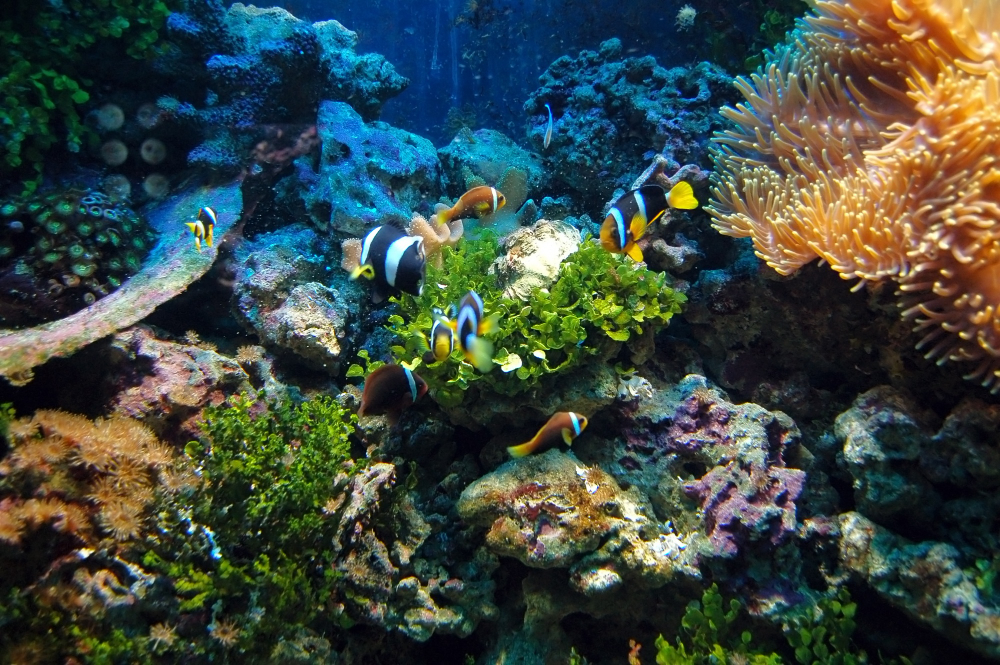

SOUTHEAST ASIA: Over 7,000 acres (28.3 sq km) of coral reefs—roughly the size of 4,000 football fields—have been decimated by dredging and land reclamation activities in the South China Sea, according to a new report from the Centre for Strategic & International Studies (CSIS), as featured on a Channel News Asia article. The report highlights the devastating impact these activities have had on one of the world’s most critical marine ecosystems.
The CSIS analysis reveals that China and Vietnam are the main contributors, with China alone responsible for approximately 65% of the damage, while Vietnam accounts for 33%. These countries, alongside other claimants, have engaged in large-scale dredging and landfill operations, which have led to “irreparable and long-term changes” to the structure and health of coral reefs, a cornerstone of marine biodiversity.
Marine conservation experts have long warned that China’s aggressive land reclamation efforts—building artificial islands atop fragile coral reefs—pose a severe threat to the region’s ecological balance. These actions, driven by territorial disputes, have caused extensive damage to vital marine habitats. Experts argue that international multilateral environmental agreements are essential to hold China, as well as other nations, accountable for their environmental responsibilities in the region.
The CSIS further stresses the importance of coral reefs in the South China Sea, describing them as “one of the most vital ecosystems.” The report notes that this area is home to a significant portion of the world’s coral species, underscoring the global importance of preserving these ecosystems.
The long-term consequences of these environmental practices extend beyond the local level, with global implications, as the South China Sea is a crucial part of the world’s marine biodiversity. Over the past decade, rampant dredging and landfill activities have obliterated vast areas of the region’s coral reefs, disrupting marine life and local communities that depend on these ecosystems.
In response to these findings, China has pushed back, dismissing the CSIS report as “false” and “unverifiable.” In a statement issued in February 2024, the Chinese embassy in the Philippines criticized the report, accusing the think tank of fabricating claims based on outdated satellite images. “Why are they so obsessed with harping on the same string?” the embassy asked, asserting that China is committed to environmental protection in the South China Sea, in line with both domestic and international laws.
However, the ongoing degradation of coral reefs remains a pressing concern for the international community. As more reports underscore the irreparable damage caused by land reclamation activities, the call for stronger environmental oversight and accountability from all nations involved grows louder. The need for a unified approach to protect the South China Sea’s invaluable ecosystems has never been more urgent.
 Follow Google News
 Join us on WhatsApp
 Follow us on Telegram