
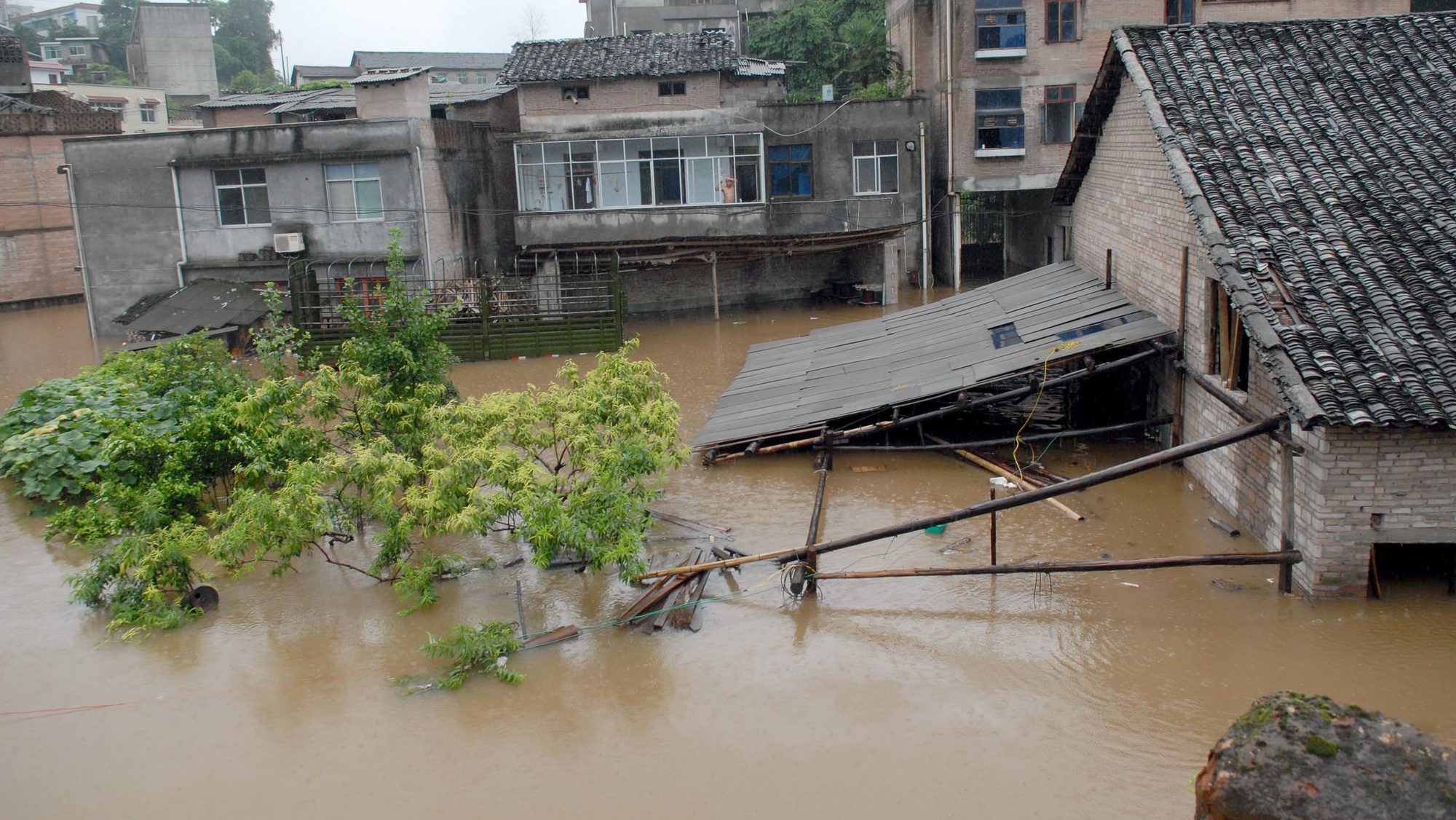

PHNOM PENH: As storms grow fiercer and the ground shakes more often, Southeast Asia is no longer asking if the next disaster will strike — but when. From battered coastlines to flooded villages and quake-ravaged towns, the region is feeling the full force of a changing climate. In response, ASEAN is ramping up its efforts to protect the lives and livelihoods of its 670 million people.
This week in Phnom Penh, leaders and disaster experts from across the region gathered for the 47th ASEAN Committee on Disaster Management (ACDM) meeting — a timely and urgent conference, especially after a deadly 7.4-magnitude earthquake hit the southern Philippines just days ago, killing at least seven people and displacing thousands.
For countries like the Philippines, this is not new — but it is getting worse.
“The Philippines is one of the calamity-prone countries in Asia,” said Irineo C. Espino, Senior Undersecretary of the Department of National Defence. Speaking to Malaysia’s Bernama news agency, he stressed the importance of learning from the world’s best when it comes to emergency response and disaster resilience. “This forum gives us a real chance to do that.”
From typhoons and landslides to earthquakes and droughts, Southeast Asia ranks among the most disaster-vulnerable regions in the world, but these are not just human tragedies — they’re also economic shocks. Agriculture, manufacturing, and trade — the lifeblood of many ASEAN economies — are increasingly at risk.
Consider this: Indonesia and Malaysia produce nearly 80% of the world’s palm oil. Vietnam and Thailand together export around 16 million metric tonnes of rice each year. However, just one violent storm can eat up crops and yields, cut off supply chains, and frighten off overseas capitalists.
Just recently, cyclone Matmo tore through Vietnam, destroying more than 10,000 households, leading to a projected RM1 billion worth of losses. In Laos, Typhoon Bualoi submerged entire villages and destroyed more than 1,300 hectares of rice fields — livelihoods washed away overnight.
That’s why ASEAN is looking outwards as well as inwards — strengthening regional ties while forging new ones with disaster-ready nations like Australia, India, and New Zealand.
“Timor-Leste is a small country, and we also face calamities — like the floods that hit us hard in 2021,” said Cesario Da Silva Marques from the country’s Civil Protection Authority. He hopes Timor-Leste’s bid to join ASEAN will open doors to deeper cooperation and more life-saving partnerships.
For many across the region, the message is clear — as climate threats escalate, going it alone is no longer an option. Survival and endurance depend on collective knowledge, bilateral assistance, and a consolidated front.
 Follow Google News
 Join us on WhatsApp
 Follow us on Telegram