
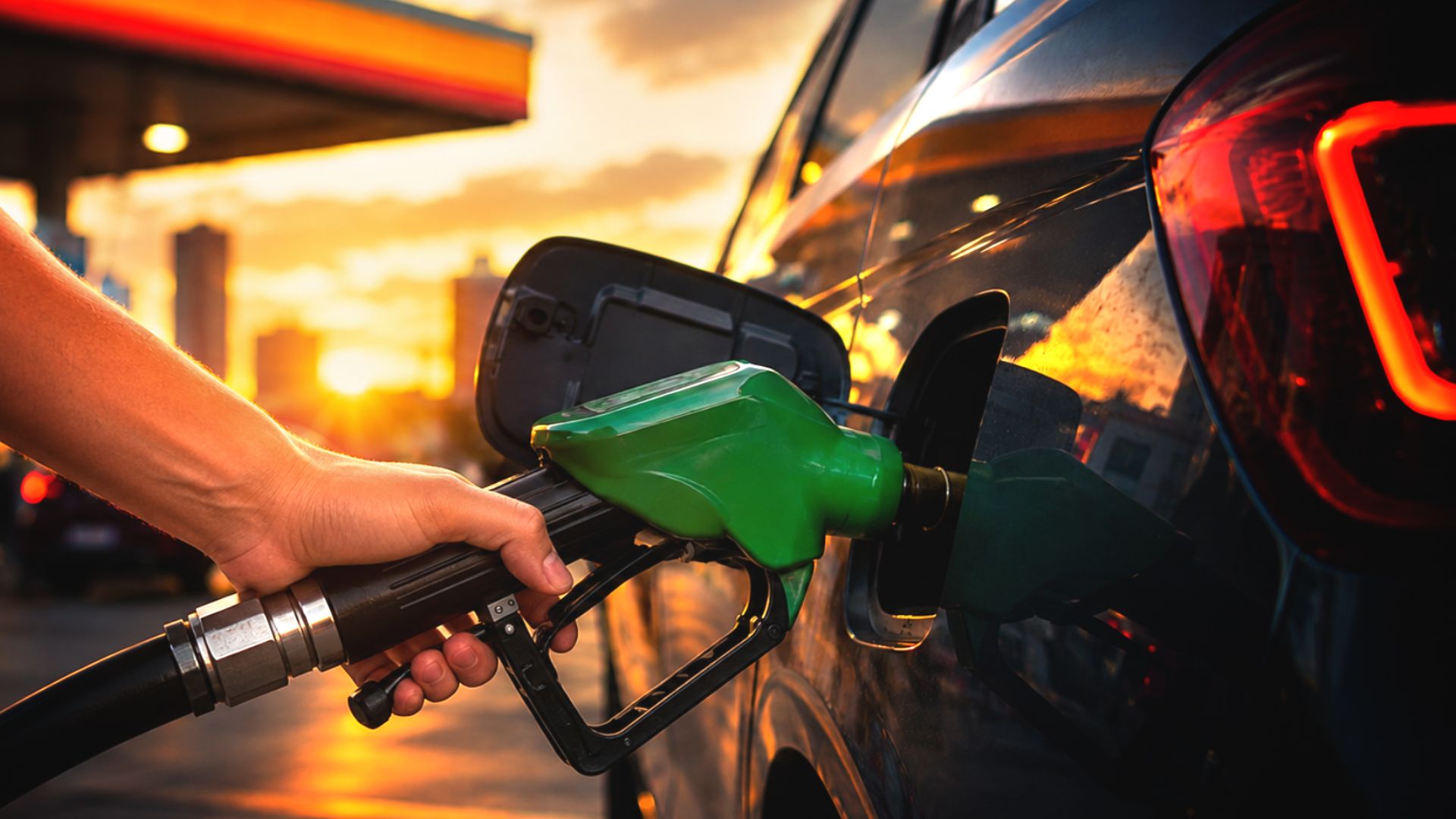

SINGAPORE: Petrol prices in Singapore have started to edge down, but vehicle drivers shouldn’t expect a return to pre-Middle East war prices anytime soon.
Brent crude has slipped back to about US$72 (S$92.97) a barrel, close to the roughly US$70 level seen before fighting broke out in the Middle East in late February. Even so, petrol prices at local stations are still about S$0.48 per litre higher than before the conflict.
Analysts said the drop in crude oil prices doesn’t translate into cheaper fuel overnight because retailers respond much more slowly to cost declines, Channel NewsAsia (CNA) reported (July 6).
Pump prices are still well above February levels
As of Sunday, 95-octane petrol costs between S$3.36 and S$3.37 per litre across Esso, Shell, SPC, Caltex, and Sinopec, based on figures from the Price Kaki app.
Before the conflict began, the average price was about S$2.88 per litre. Filling a 47-litre Honda Civic fuel tank now costs around S$23-S$25 more than it did before the war, excluding any loyalty discounts.
Analysts described this as the “rocket and feathers” effect. Fuel prices rise quickly when oil becomes more expensive, but take much longer to fall after oil prices fall.
Ms Sheana Yue, Senior Economist at Oxford Economics, said retailers must pay higher wholesale costs almost straight away when crude prices climb. When prices fall, companies usually wait to see if the decline will last before cutting pump prices.
Brent crude surged to US$119.40 a barrel in early March after supply worries hit the market. Petrol prices in Singapore climbed by up to S$0.40 per litre within days, with some fuel grades passing S$4 per litre for the first time in years.
Retailers are moving cautiously
Fuel prices have eased slightly since the United States and Iran agreed to end their war on Jun 17.
Dr David Broadstock, Partner at The Lantau Group, said fuel retailers are pricing petrol based on where they believe costs will settle over time instead of reacting to every short-term movement.
Dr Broadstock explained that uncertainty in the oil market makes it difficult to predict future prices. Retailers therefore avoid making sharp price cuts too early while risks still exist. He also noted that most motorists still need to drive, giving retailers less pressure to lower prices immediately. Changes at the pump are more likely to happen over months rather than weeks.
Diesel has fallen more noticeably because demand is tied more closely to business activity, including transport and deliveries. Diesel prices now range from S$3.95 to S$4.05 per litre, down from S$4.32 to S$4.68 in April.
More than crude oil affects fuel prices
Analysts said crude oil is only one part of the picture. Ms Yue explained that refined fuel prices currently have a bigger influence on what motorists pay because crude and refined fuel prices have moved differently during the conflict.
Retailers also consider transport costs, taxes, wholesale fuel prices and local market conditions when setting prices.
Mr Doong Shiwen, General Manager of Shell Mobility and Convenience Singapore, said Shell regularly reviews its pump prices based on changing market conditions and several cost factors.
Esso, SPC, Caltex and Sinopec have yet to respond to CNA’s requests for comment.
A full return may take until 2027
Fuel companies have started lowering prices in recent weeks. Shell reduced petrol prices twice in June and early July, while cutting diesel prices twice as well.
Other retailers have since matched those reductions, with most now charging S$3.37 per litre for 95-octane petrol. SPC is charging S$3.36. Even so, analysts don’t expect prices to return to pre-conflict levels anytime soon.
Ms Yue said petrol prices should continue easing gradually through the rest of the year unless oil production rises sharply or fuel demand weakens.
Ms Yue added that early 2027 is the earliest realistic timeframe for prices to return to pre-conflict levels, provided geopolitical tensions stay under control and lower wholesale fuel costs continue to move through the supply chain.
Dr Broadstock said motorists should prepare for gradual changes rather than waiting for a sudden drop. Some may choose to drive less or consider switching to hybrid or electric vehicles over time.
Oil markets can recover from major disruptions, he said, but restoring normal conditions across the industry could still take a couple of years.
Singapore motorists may welcome the recent price cuts, but this report shows how global conflicts can continue affecting everyday costs long after the headlines fade.
The best approach for now is to compare pump prices, make use of available discounts, and drive efficiently while the market works its way back to normal.
 Follow Google News
 Join us on WhatsApp
 Follow us on Telegram