

SINGAPORE: A former Singapore lawyer who secretly filmed upskirt videos at MRT stations using specially modified bags has been sentenced to four weeks’ jail after pleading guilty to voyeurism.
The man, 29-year-old Samuel Ye Yixu, admitted to one voyeurism charge after police officers caught him during patrols at a train station. His defence lawyers said he had been struggling with severe work stress, mental health conditions and family problems, and has since left the legal profession, Channel NewsAsia (CNA) reported (July 27).
Modified bags were used to hide his phone camera
Court documents showed that Ye first engaged in voyeuristic behaviour while in Japan in December 2022 after a breakup left him emotionally distressed. He had already been diagnosed with mixed anxiety and depressive disorder in 2018 and later experienced worsening symptoms.
After starting work as a lawyer in August 2023, Ye said long working hours left little time for rest or self-care. His lawyers said strained family relations and mounting stress led him to rely on voyeuristic behaviour as a way to cope.
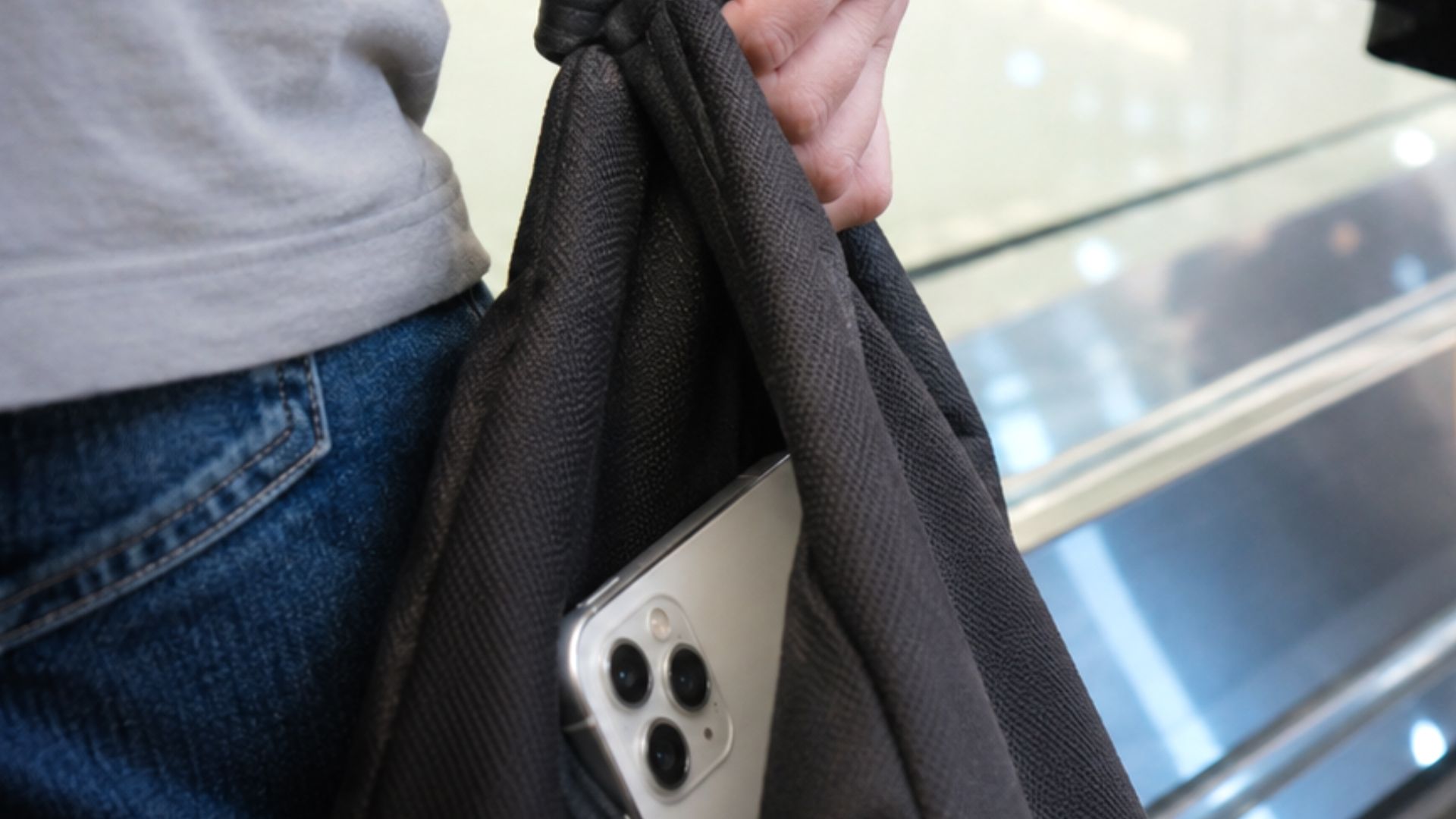
From April 2024, Ye bought black bags from a wine store and altered each one by cutting a hole in its base. He placed his phone inside with the camera pointing upwards, then followed women wearing skirts through MRT stations.
He positioned himself behind them on escalators and angled the bag to record beneath their skirts. After each recording, he watched the video, deleted it, threw away the modified bag and bought another one for the next offence. The court heard he repeated this routine at least once a week over about a month.
Police tip-off led to his arrest
Police arrested Ye at a train station on Jun 14, 2024, after receiving an anonymous report that he had taken upskirt videos two months earlier.
Although he wasn’t recording anyone when arrested, he immediately admitted that his phone contained voyeuristic material, according to the defence.
The prosecution asked for between two and three months’ jail. It said Ye’s actions were deliberate and carefully planned, noting that public transport is one of Singapore’s most common places for reported voyeurism cases.
Prosecutors also pointed to his repeated weekly offending and the effort he took to prepare a new modified bag each time.
Mental health was considered during sentencing
The defence instead sought either a short detention order with community service or, failing that, two weeks’ jail.
Lawyers said Ye had voluntarily sought treatment, attended psychotherapy and later received treatment through the Institute of Mental Health’s National Addictions Management Service.
The lawyers added that Yee felt ashamed of his actions, had been diagnosed with voyeuristic disorder alongside anxiety and depression, and hadn’t reoffended since August 2024.
The court ultimately imposed a four-week jail sentence.
Under Singapore law, voyeurism carries a maximum penalty of two years’ jail, a fine, caning, or any combination of these punishments.
Cases like this show that personal struggles and mental health conditions deserve treatment and support, but they don’t excuse criminal acts that violate another person’s privacy and dignity.
Early intervention, accountability, and continued treatment all help reduce the risk of such behaviour recurring.
 Follow Google News
 Join us on WhatsApp
 Follow us on Telegram