
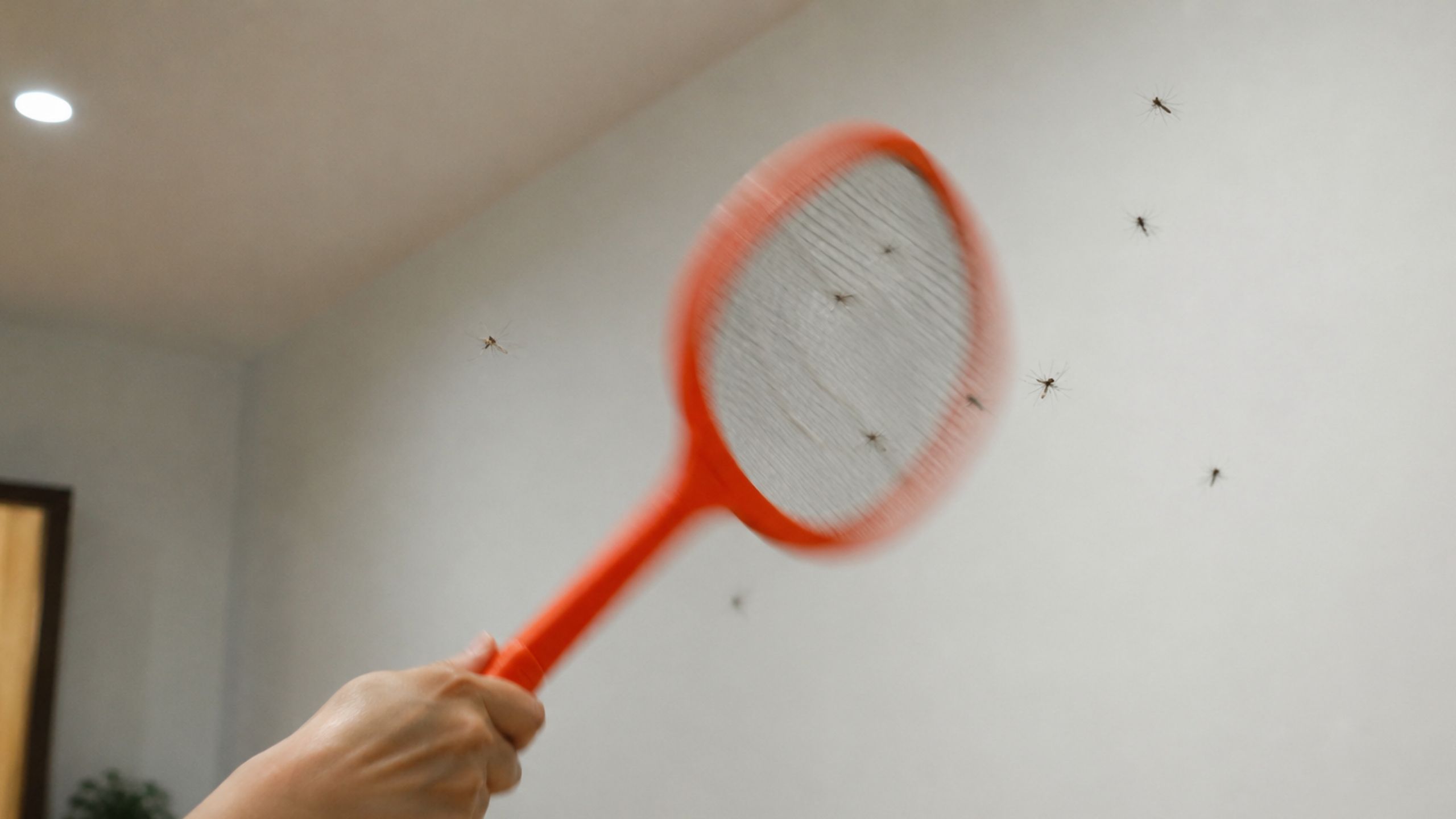

SINGAPORE: The increase in dengue cases in the country has been alarming. As of July 13, a total of 1,439 cases have been reported in 2026.
Moreover, the number of new weekly cases has been exceeding. In the week of June 28 to July 4, there were 131 cases made, setting a new record for the highest number of cases in a single week this year. At the moment, there are 17 active dengue fever clusters in Singapore, and as the peak season progresses, preventive measures are critical.
What are the authorities doing?
With this, Singapore’s National Environment Agency stated that it will release Wolbachia-carrying male mosquitoes in Toa Payoh as a strategy to control the spread of dengue fever in the community.
It is expected that residents may notice more mosquitoes in the community, and the authorities are encouraging everyone not to panic.
Why release more mosquitoes?
It was revealed that the mosquitoes that will be released are male Aedes mosquitoes carrying Wolbachia bacteria, and these would not bite and pose no threat to public health.
These infected male mosquitoes will mate with female Aedes mosquitoes (the dengue-carrying type), hindering their reproduction, which may lead to reduced dengue fever cases.
This is part of Project Wolbachia – Singapore launched in 2016, and NEA aims to expand its coverage to over 800,000 households by the end of the year.
Stay safe and alert
The authorities are still encouraging the public to seek medical assistance if they experience any dengue symptoms. Specific symptoms include:
- Sudden high fever, where body temperature rises to 39°C to 40°C within one or two days, and the high fever often lasts for a week.
- Body aches such as headache, eye socket pain, muscle, joint and bone pain, and general fatigue.
- Redness in the skin on the face, neck, chest, and limbs
- Congestion, superficial lymph node enlargement, and unexplained bleeding from the gums.
- Rashes, particularly measles-like and hemorrhagic rashes, not raised above the skin.
Furthermore, the public is urged to eliminate mosquito breeding grounds by eliminating stagnant water in their areas to reduce community transmission.
 Follow Google News
 Join us on WhatsApp
 Follow us on Telegram