
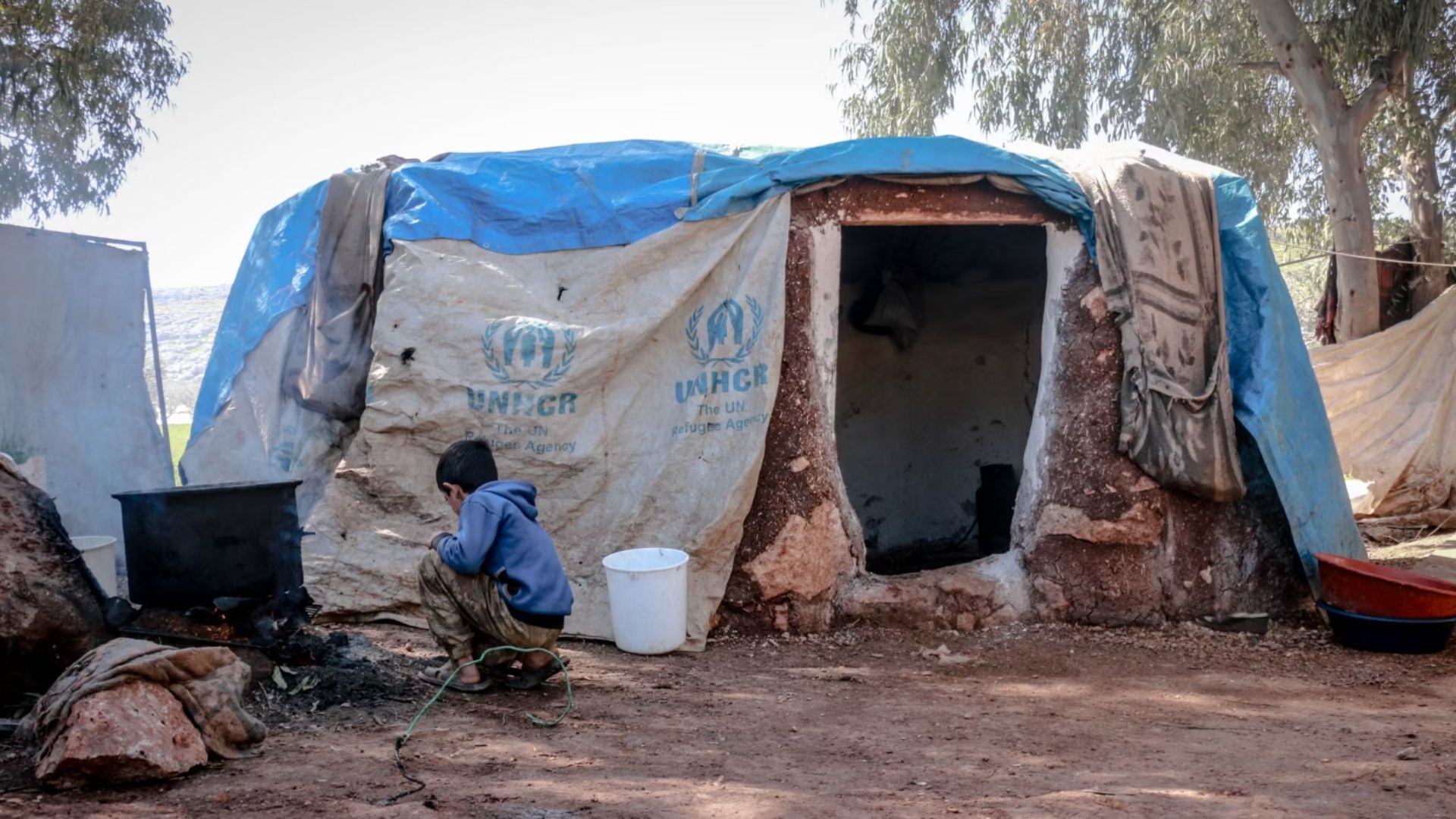

MALAYSIA: A group of Iranian refugees in Malaysia allege discrimination by the UN Refugee Agency (UNHCR), saying their cases have been sidelined for over a decade while other nationalities are prioritised.
Community leader Mohammed Aboutalebi noted three deaths after years of waiting, while others like Arezoo Sabaghzadeh and Samaneh Bashi shared harrowing experiences of rejection and hardship.
Activist Hamid Rastgordani is on hunger strike outside UNHCR, as refugees claim they are “too white” to be seen as genuine cases. UNHCR insists it engages regularly with all groups.
Some Malaysians say they too face issues with UNHCR. On X, one claimed he often sees groups gathering near LRT stations, repeatedly asking for donations and arguing that such practices create discomfort among commuters and suggested Malaysians consider boycotting these appeals. They urged that volunteers redirect their efforts toward other causes.
Furthermore, some argue that refugees now act as though they are entitled to Malaysia. A netizen claimed this problem stems from the presence of UNHCR, questioning why the organisation is allowed to operate in the country despite no formal agreement being signed with the UN. His remarks reflect growing scepticism online.
Another expressed frustration, claiming refugees rarely show gratitude when others extend help despite personal difficulties. He argued that many of them act as though they deserve more assistance, even after receiving support.
Unfortunately, some online discussions have turned toward comparing refugee groups by origin and claimed that Iranian refugees are “better” than the Rohingya, a community that remains a central topic of debate in Malaysia.
Some Malaysians initially expressed sympathy toward the Iranian refugees but later shifted their stance due to political symbolism, saying they almost supported them until noticing the pre‑Iran revolution flag displayed behind the group. They argued that such imagery undermines their credibility and raises questions about their political motives.
The refugee crisis remains deeply unfortunate, as countless individuals endure harm they never asked for. In a world marked by instability, their futures are uncertain and often overshadowed by fear and displacement.
These men, women, and children are stranded in countries where they struggle to survive without clear prospects of resettlement or stability.
 Follow Google News
 Join us on WhatsApp
 Follow us on Telegram