
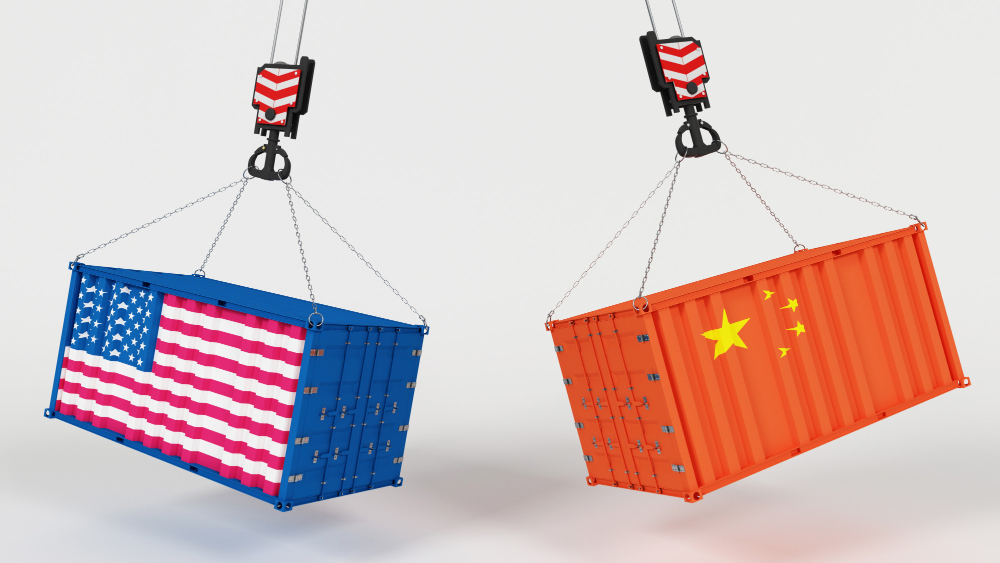

INTERNATIONAL: As the world’s largest coal exporter, Indonesia stands at a critical crossroads — and two global superpowers are vying to shape its energy future. In one corner, the United States promotes gas and fossil-fuel-heavy investments. In the other, China is rolling out massive green energy deals at record speed. What’s at stake isn’t just Indonesia’s climate future but also which nation sets the blueprint for clean energy in the developing world.
China is decisively embedding its flag in Indonesia’s energy segment. Major endeavours include:
- A US$6 billion (S$7.704 billion) battery supply-chain undertaking with CATL.
- BYD’s US$1 billion EV factory is expected to produce 150,000 cars and create 18,000 jobs.
- BTR New Material Group’s US$478 million EV battery component factory, creating 8,000 jobs.
- A solar panel factory from LONGi with a 1.6 GW annual capacity.
- A 100-megawatt solar park built by POWERCHINA in just seven months.
China’s method provides swiftness and scale, vital for a nation like Indonesia, where five-year political rounds call for discernible advancement. But it comes with trade-offs — notably environmental risks and limited safeguards.
To date, only US$1.2 billion, 6% of Just Energy Transition Partnership (JETP) funds, has been disbursed. Analysts say early conversations raised “unrealistically high expectations”, and US credibility took a hit once it began pushing liquefied natural gas (LNG) as a transitional solution.
In April, Indonesia announced US$10 billion in LNG imports from the US, raising concerns about locking the country into long-term fossil fuel infrastructure — even as renewables become cheaper and more scalable.
“The US risks promoting fossil fuel dependence, while China is at least offering a version of a cleaner future,” said Putra Adhiguna of the Energy Shift Institute.
Both China and the US come with compromises. For example, most of Indonesia’s nickel mining operations, critical for EV batteries, are owned by Chinese firms and powered by on-site coal-fired plants. A 2024 survey revealed that these facilities could trigger up to 5,000 deaths yearly by 2030 because of contamination.
Indonesia is still heavily reliant on coal, which makes up 3.6% of its GDP and remains the only country proposing new coal plant construction on a large scale.
Yet the momentum — and opportunity — for change is real. The JETP has opened doors to partnerships with the UAE, Saudi Arabia, and others, even if the US role has diminished. Meanwhile, Chinese investments continue to deliver visible, fast-paced results, even as they raise sustainability red flags.
Energy experts warn that Indonesia must act fast or risk falling behind. “Once they realise it, it might be too late,” said Dinita Setyawati of the think tank Ember, noting how tech-heavy industries like data centres now seek renewable power sources when investing in Southeast Asia.
As the race intensifies, Indonesia’s choices over the next few years could determine not just its energy future — but also whether it becomes a model for sustainable development or a cautionary tale of geopolitical compromise.
 Follow Google News
 Join us on WhatsApp
 Follow us on Telegram