

SINGAPORE: Singapore’s construction activity remains strong despite the city state being one of the most expensive markets in Southeast Asia, with average costs at US$3,104 (S$3,972) per square metre (sq m) and expected inflation of 3.0% in 2025 and 5.0% in 2026.
According to Turner & Townsend’s Global Construction Market Intelligence (GCMI) 2025 report released on Tuesday (July 8), contracts awarded in the first four months of 2025 were about 60% higher than the same period last year.
In comparison, construction costs remain significantly lower in Kuala Lumpur (US$1,354 per sq m), Hanoi (US$1,147 per sq m), and Ho Chi Minh City (US$1,168 per sq m).
However, the city-state continues to face rising waste disposal costs due to stricter sustainability regulations, limited contractor capacity, and a shortage of skilled mechanical, electrical, and plumbing (MEP) labour. Skilled MEP labour shortages also affect 90.9% of Asian markets, including Malaysia, Indonesia, and Vietnam, the report stated.
Turner & Townsend’s Southeast Asia managing director, Sumit Mukherjee, said, “Persistent shortage of specialist labour, particularly in MEP trades, highlights the importance of strategic investment in local workforce development and innovative construction methods to mitigate potential bottlenecks and ensure project success.”
While cost remains a key factor in Southeast Asia, Mr Mukherjee noted the focus is increasingly shifting towards value, efficiency, and supply chain resilience.
Turner & Townsend’s Asia managing director Brian Shuptrine said that Southeast Asia is “actively seizing” growth opportunities through recalibration of costs and demand despite global economic headwinds.
He said, “The region’s commitment to digital transformation and sustainability, and the strategic advantages of nearshoring, are fundamentally reshaping the construction landscape. This translates into significant opportunities for clients investing in future-proof assets, particularly within the rapidly expanding data centre developments and advanced manufacturing sectors.”
The report also found that data centres have now overtaken industrial, manufacturing, and distribution as the region’s top-performing construction sector, driven by rising demand from hyperscalers and cloud service providers, along with growing interest in high-performance, sustainable facilities.
Corporate occupier activity rebounded, while hospitality, sports, and leisure projects are seeing modest recovery as tourism and entertainment gradually return. Nearshoring trends and growing demand for advanced manufacturing facilities are also supporting construction activity across the region. /TISG
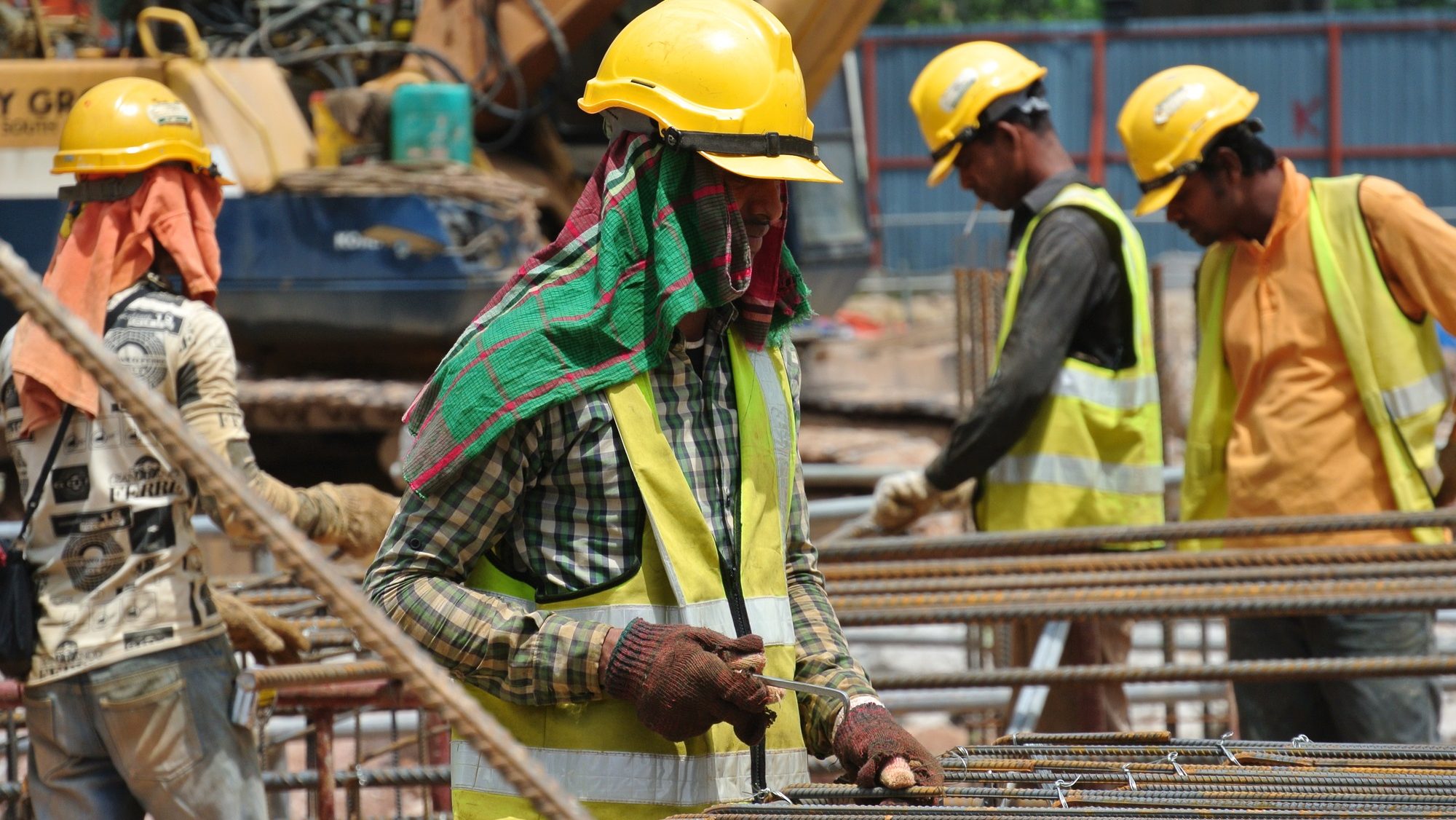
Featured image by Depositphotos (for illustration purposes only)
 Follow Google News
 Join us on WhatsApp
 Follow us on Telegram