

CHINA: In a bid to revive demand in the sluggish household sector, China has expanded its consumer trade-in scheme by adding a range of home appliances to the list of eligible products.
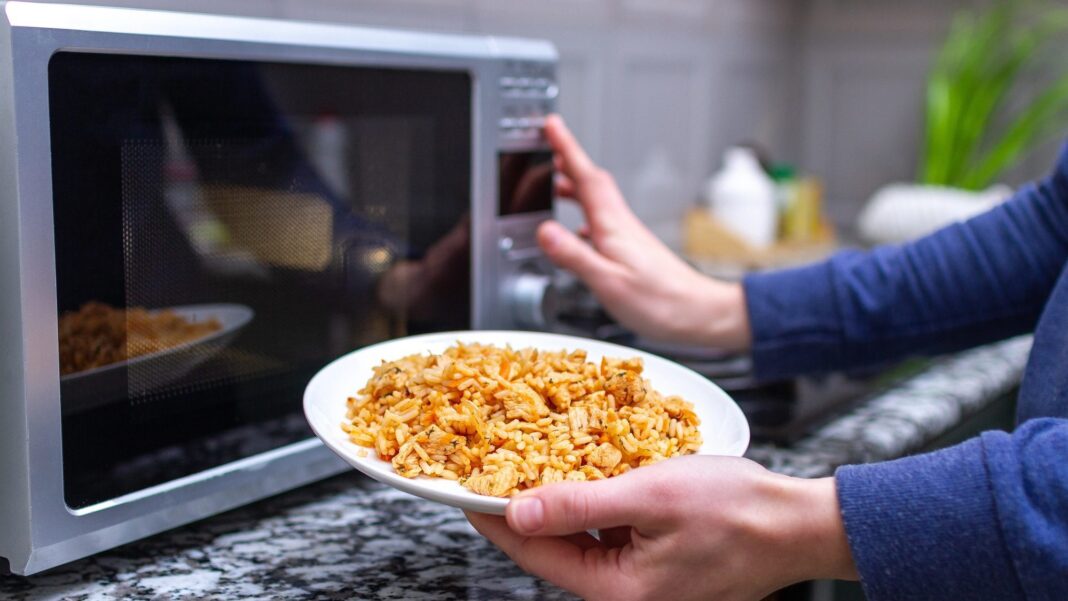
A CNN report wrote that as of this year, items such as microwave ovens, water purifiers, dishwashers, and rice cookers will be part of the initiative, alongside existing products like cars and bicycles.
New products added to the trade-in program
Additionally, China is offering 15% subsidies for digital gadgets, including cellphones, tablets, smartwatches, and fitness bracelets priced under 6,000 yuan ($818).
This move is part of a broader government effort to stimulate economic growth, particularly within the consumer sector, which has been struggling due to a downturn in household spending.
Officials have indicated that the government has allocated a substantial budget for these efforts in 2025, with 81 billion yuan set aside for consumer goods trade-ins.
Though the exact total cost of the subsidies has not been disclosed, experts anticipate that the total allocation for the year could rise to 300 billion yuan, marking a significant shift toward bolstering consumer demand.
Economic stimulus amid struggling consumer confidence
The expanded trade-in scheme is one element of China’s larger strategy to reignite growth in its economy, which has been severely impacted by a prolonged property crisis.
With consumer confidence at a low ebb, policymakers are under pressure to boost spending, which has been slower to recover than expected.
Analysts, including Xu Tianchen from the Economist Intelligence Unit, believe the increased subsidies signal a policy pivot aimed at driving more consumption, though the more modest subsidies for digital goods suggest that Beijing is cautious about incentivizing luxury or high-ticket purchases.
Last year, a similar campaign, which included subsidies for appliance and car replacements, had a measurable impact on sales, contributing to 920 billion yuan in auto sales and 240 billion yuan in home appliance sales.
However, investors showed limited enthusiasm for the latest announcements, with the consumer electronics stock index falling 3.2% on Wednesday.
In addition to the trade-in incentives, China’s leadership has committed to vigorously expanding domestic demand, with measures such as wage increases for government workers aimed at bolstering consumption.
Experts predict that these efforts, combined with a more stable economic environment and improving confidence in the job market, could lead to a rebound in retail sales in 2025.
As part of this broader strategy, China is also increasing funding for key sectors, such as information technology and agriculture, with a focus on upgrading to high-end, smart, and green equipment.
These efforts are expected to benefit the industrial and transportation sectors, building on momentum from the previous year’s solid performance.
Featured image by Depositphotos (for illustration purposes only)
 Follow Google News
 Join us on WhatsApp
 Follow us on Telegram