
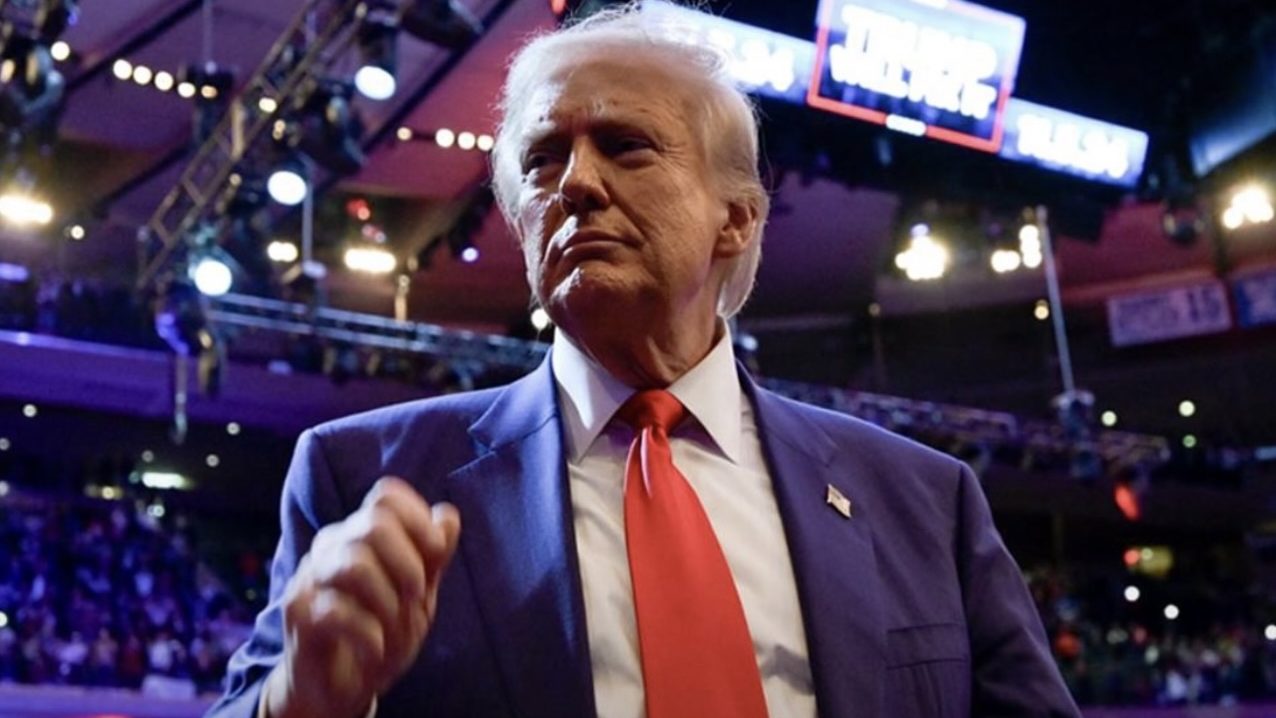

SINGAPORE: Singapore’s trade dynamics may help shield it from tariff risks expected under U.S. President-elect Donald Trump’s second term, according to analysts at UOB Global Economics & Markets Research.
Among the ASEAN-6 economies, Singapore is unique in consistently running a trade deficit with the United States, which reduces its exposure to potential tariff measures, said Jester Koh, associate economist for UOB.
Singapore also stands out as the only ASEAN country with a bilateral free trade agreement (FTA) in force with the U.S., further mitigating the likelihood of tariff-related disruptions.
“There’s limited evidence to suggest Singapore is being used as a conduit to reroute Chinese exports to the U.S. to bypass tariffs,” Koh noted.
This sets Singapore apart from economies like Vietnam, Thailand, and potentially Malaysia, which have seen shifts in trade flows indicative of possible tariff circumvention between 2015-2019 and 2020-2024.
Conversely, Singapore, Indonesia, and the Philippines are deemed less likely to experience such trade diversion, implying lower direct tariff risks for these economies.
However, analysts warn that unpredictability persists given Trump’s track record of withdrawing from trade agreements, such as the Trans-Pacific Partnership (TPP), and his threats of imposing significant tariffs on imports from Canada and Mexico, which could violate the United States-Mexico-Canada Agreement (USMCA).
Other ASEAN-6 nations face varying degrees of risk. Indonesia and Malaysia, for instance, may encounter heightened tariff and security challenges due to their recent entry into the BRICS bloc as of January 2025.
While Singapore appears less exposed to direct U.S. tariffs, its highly trade-dependent economy is still vulnerable to broader global economic trends.
The UOB report highlights potential spillovers from a U.S. economic downturn or a slowdown in China, which could significantly impact Singapore.
Additionally, the ongoing EU27 recession is likely to exert further pressure on the country’s trade-driven economy.
“While Singapore may face lower odds of direct tariffs from the U.S., the economy remains susceptible to the ripple effects of negative trade shocks due to its heavy reliance on global trade,” the report concluded.
 Follow Google News
 Join us on WhatsApp
 Follow us on Telegram