

SINGAPORE: Experts have suggested that the SimplyGo controversy sheds light on potential blind spots in how the authorities roll out national exercises, suggesting that having more time to gather public feedback could have helped the Government avoid backtracking on its plans.
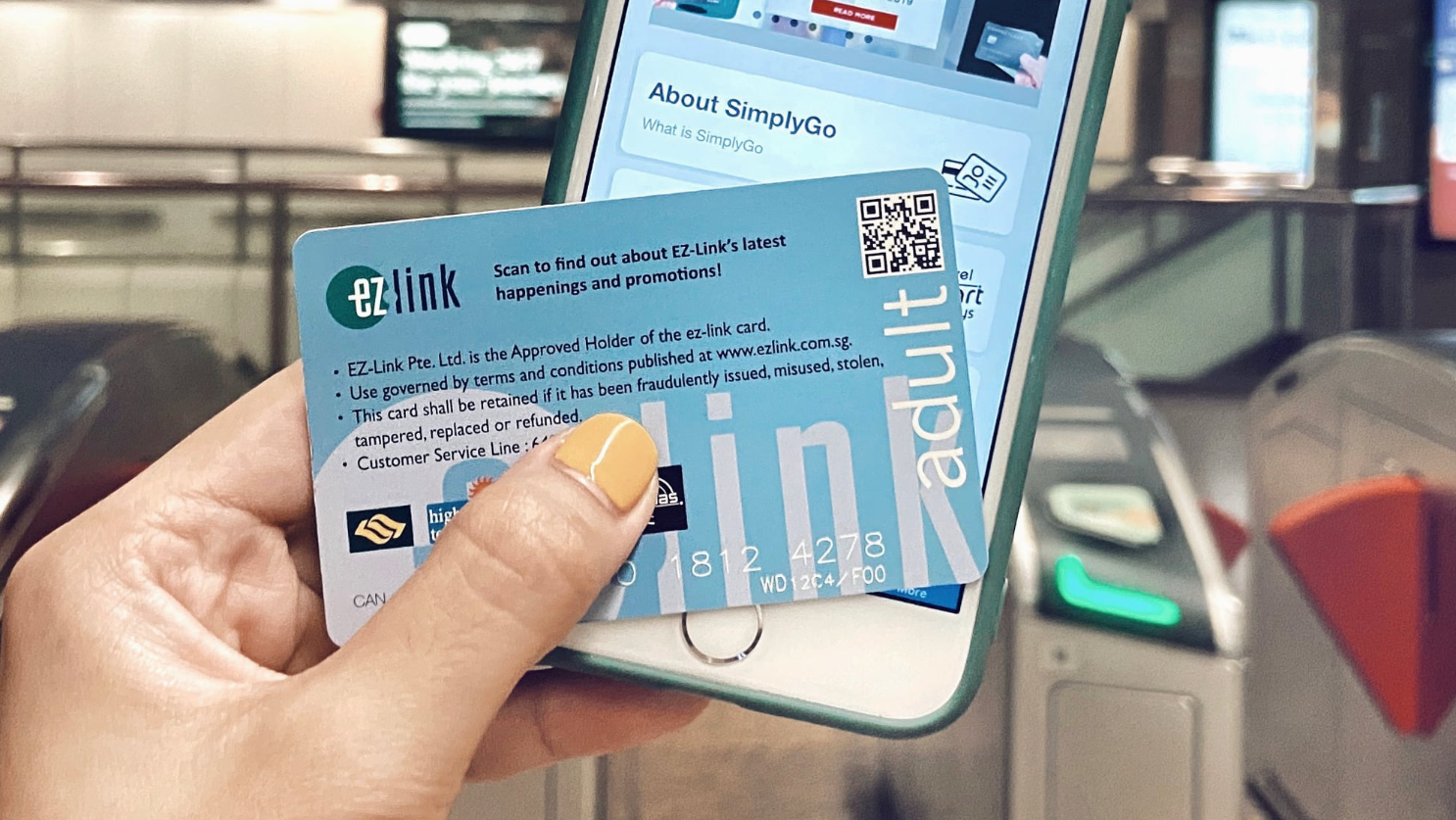
Earlier this month, the Land Transport Authority (LTA) announced that EZ-Link cards and NETS FlashPay cards will be discontinued on public transport from 1 June, and commuters will be required to upgrade their non-concession cards to SimplyGo EZ-Link cards or NETS prepaid cards. The announcement sparked widespread outrage and the concern that the push to digitalise may be coming at the expense of consumers, as the shift will result in certain inconveniences for commuters.
This week, the government backtracked on its initial plan and announced that it would spend an additional $40 million to extend the existing card-based EZ-Link ticketing system and run it in parallel with the SimplyGo system.
The latest announcement has reportedly led to long lines at ticket offices within the MRT stations across the island, with commuters having to queue up to have their SimplyGo cards converted back to the old-generation EZ-Link cards.

Despite the long lines, many who were interviewed by 8World told the Chinese channel that they welcomed the reversal of LTA’s original plan. One member of the public said: “Of course it’s better because you know how much is left on your card.”
Experts, including Associate Professor Walter Edgar Theseira from the Singapore University of Social Sciences School of Business, have highlighted the importance of soliciting public feedback before implementing national initiatives.
Assoc Prof Theseira told 8World, “The way to fix this is actually just to make sure that those processes are in place: to have different views in policymaking, to engage with the commuters a bit more – perhaps, go really make sure that before such changes are implemented, there is more time to get the feedback.”
Obtaining public feedback before executing a national exercise is critical in ensuring that decisions align with the needs and expectations of the community, as it allows policymakers to gauge the potential impact of proposed changes on the public, identifying concerns, preferences, and unintended consequences.
Public feedback also promotes transparency and inclusivity in decision-making, building trust between the government and its constituents.
Engaging the public early on helps uncover perspectives and insights that policymakers might not have considered, reducing the risk of overlooking crucial details or encountering unexpected challenges during implementation.
Today, the SimplyGo saga stands as a cautionary tale, prompting a renewed focus on the necessity of public consultation to ensure smoother transitions in future national exercises
 Follow Google News
 Join us on WhatsApp
 Follow us on Telegram