
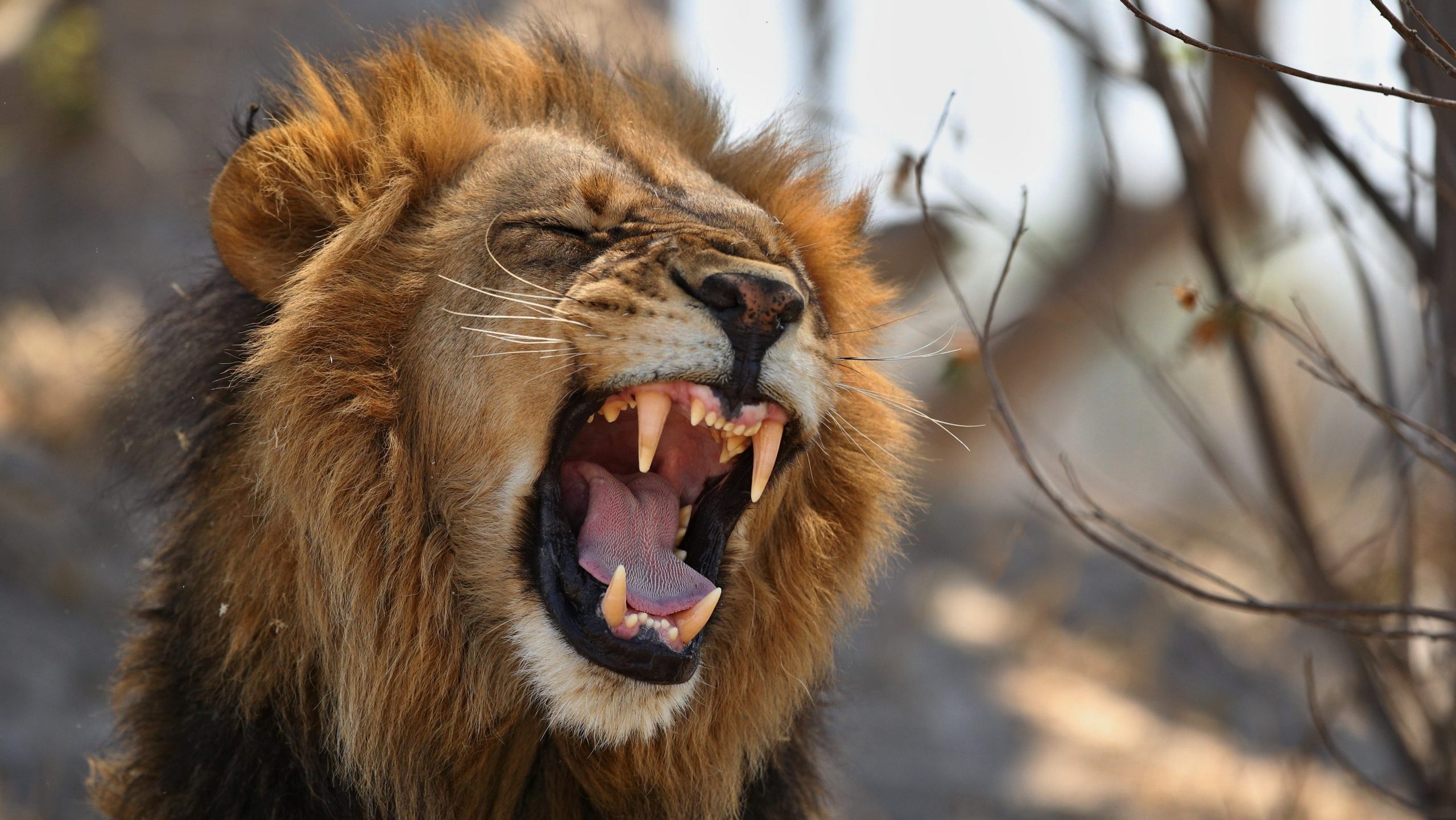

SINGAPORE: In 2021, a transmission of COVID-19 from a human to a lion occurred at the Singapore Zoo. Nine other lions eventually also fell ill with Covid, and fortunately, all ten animals recovered fully. However unusual this type of transmission was, it could mean further peril for species already endangered, a study says. The anthropogenic viral transmission was recently reported on in detail in a journal published by the United States Centers for Disease Control and Prevention (CDC) called Emerging Infectious Diseases.
When Covid’s delta variant spread in 2021, it affected African and Asian lions at the Singapore Zoo, where nine Asiatic and five African lions live in separate pens. In November of that year, a male lion started showing respiratory symptoms, and the following day, three female lions followed suit. Within five days from the first lion showing symptoms, 10 lions had fallen ill with the virus, but by Dec 3 of that year, they had recovered.
Read related: S’pore lions with Covid-19 serving SHN, swabbed while under anaesthesia
Samples taken from the lions showed the presence of SARS-CoV-2, the virus responsible for the Covid-19 pandemic. A total of six among the 18 workers at the zoo who had close contact with the lions had tested positive for the virus in early November, with four showing mild respiratory symptoms.
Studies carried out on the samples collected “revealed high viral genetic similarity between lions and the zookeeper, indicating an anthropogenic (human to animal) route of SARS-CoV-2 transmission. The viral subclade was identified as the delta lineage AY.23.1, the predominantly circulating SARS-CoV-2 strain during the study period,” says an article covering the study, noting that the lions had not been vaccinated against COVID-19.
Read also: Lions Night Safari got COVID-19, likely from infected staff
The article underlines the significance of the study in that captive or endangered animals are at risk of catching diseases from infected humans who work as their caregivers. “Considering the risk of anthropogenic transmissions, concerned authorities should implement strict infection control measures in captive animal facilities,” it says, adding that “the implication of viral infection in captive animals can have severe consequences for the conservation of protected animals.”
Unlike small animals such as minxes or hamsters that may be culled when infection outbreaks occur, with large animals, this is not a practical approach for infection control.
“Lion populations are already vulnerable because of habitat loss, climate change, poaching, and disease. Infection by a novel virus-like SARS-CoV-2 could bring additional distressing consequences to their populations. Thus, the scientists suggest that wildlife conservation centers should implement strong biosecurity measures and promote vaccination of susceptible animals. These steps are essential for controlling viral transmission and protecting vulnerable animal populations,” the article adds. /TISG
Read related: Zookeepers: Lions at Singapore Wildlife slowly recover from COVID-19
 Follow Google News
 Join us on WhatsApp
 Follow us on Telegram