
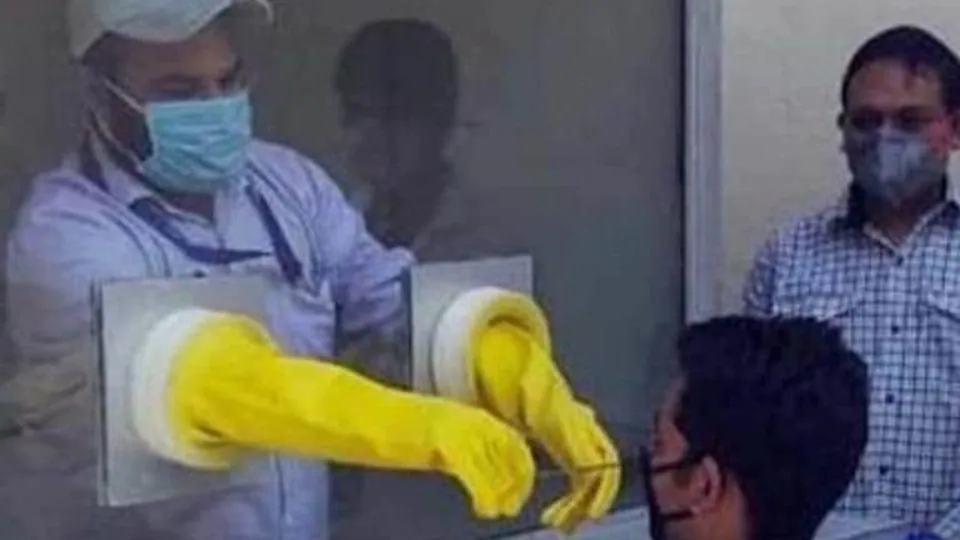

India — Nearly a year and a half since Sars-CoV-2 was first discovered, scientists have learnt a lot about how Sars-CoV-2 spreads, and how it doesn’t. A look at how masks, distance, and ventilation play a key role, according to the Centre’s newest guidelines.
THE BASICS: HOW SARS-COV-2 SPREADS
As aerosol- Can be carried in the air to up to 10m. The risk is significantly high if someone is without a mask
As droplets- Someone speaking or coughing can spew larger droplets that fall within 2m
Via surfaces- Though rare and not established beyond doubt, it can potentially spread from surfaces contaminated with viral droplets
Source: Office of PSA
WHAT CAN HELP
1) VENTILATE ALL SHARED SPACES
Keep door and windows open as much as possible for open flow of air
Let outdoor air flow in to displace indoor air
Use an exhaust system or a fan placed near a window to increase air exchange
Keep exhaust fans running if windows, doors are shut
Windows and doors must be kept ajar if the workplace has multiple air conditioning units
This also applies for offices with centralised AC, which should add HEPA filters
In both kinds of spaces, unidirectional fans can expel air, helping draw in outside air from doors
2) RIGOROUS MASK DISCIPLINE
At the very least, people should wear a double-layer mask, if not wear two masks
N-95 masks (without a respirator) offer maximum protection
People should ensure masks fit snugly and cloth masks are washed every day
They should wear a mask when outside or at home with outsiders
WHAT MAKES IT HARDER TO STOP
Asymptomatic/pre-symptomatic threat: People can be contagious without showing any symptoms
Unventilated spaces: In closed areas, such as homes and offices with no cross-ventilation, virus particles can keep accumulating in the air
WIDESPREAD TESTING AND ISOLATION
Rapid antigen tests can help improve surveillance in rural and semi-urban areas
Asha, anganwadi and health care workers can be trained to carry out these tests
These workers should be given oximeters to better monitor mild/asymptomatic cases
 Follow Google News
 Join us on WhatsApp
 Follow us on Telegram