
Parliamentary Question on Insects for Human Consumption in Singapore

Singapore Food Agency conducted a public consultation that started in October and ended on 4 Nov with various stakeholders including those from the food and animal feed industry, as well as interested parties, on the import conditions and additional pre-licensing requirements for insects and insect products.
The Workers’ Party member of parliament Louis Chua asked Grace Fu, Minister for Sustainability and the Environment on the target timeline for allowing the import and sale of insects as food for human consumption; and issuing of licences for domestic insect farming for human consumption.
In a written reply on 30 Nov, the Minister said, “The Singapore Food Agency (SFA) is conducting a public consultation on the regulatory framework for the import, local farming, processing, and sale of insect products for human consumption.”
“The public consultation will end on 4 Dec 2022. SFA will consider the feedback and announce details when ready. This would also depend on industry readiness to meet the regulatory requirements and consumers’ acceptance for such products.”
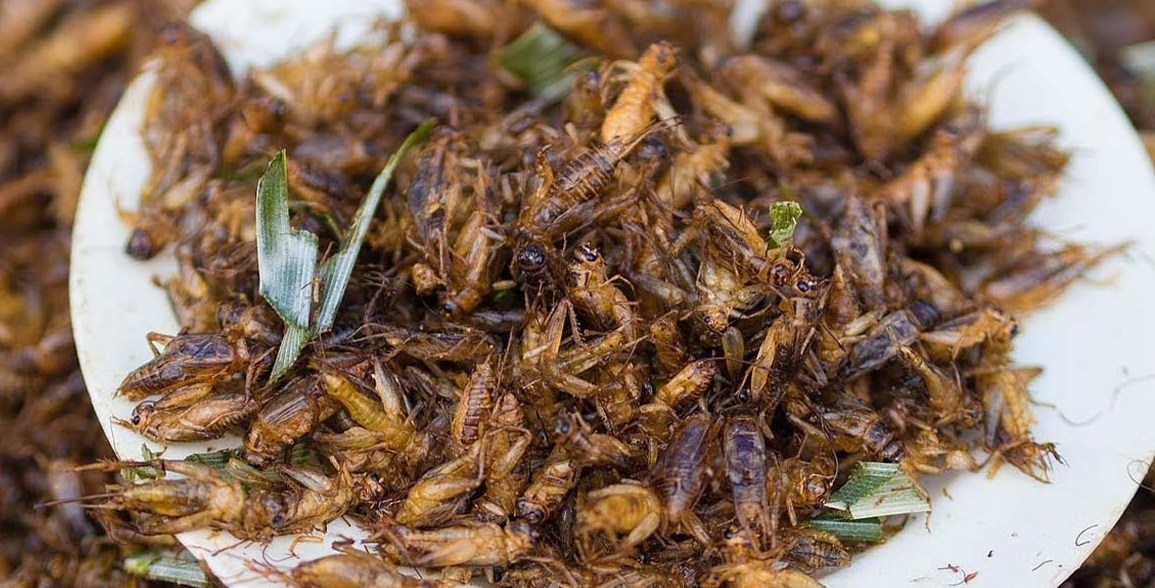
In October, SFA said that there was interest from more than 10 companies in insect food product imports or insect food farming. While the use of insects for direct human consumption is relatively new in Singapore, several species of edible insects have traditionally been consumed in other parts of Asia. For example, insects such as grasshoppers, mealworms, silkworm pupae and crickets are traditionally consumed in Korea and Thailand respectively.
SFA has taken reference from the European Union and countries such as Australia, New Zealand, Korea and Thailand which have allowed the consumption of certain insect species as food as well as conducted a thorough scientific review and assessed that specific species of insects with a history of human consumption can be allowed for use as food.
“In recent years, the commercial farming of insects for human consumption and animal feed has been promoted by the Food and Agriculture Organisation and has received commercial interest. SFA keeps abreast of such developments in food production and innovations and has received industry queries on the import of insects as food or animal feed,” said SFA in a statement released in October.
Newsletter
Get updates straight to your inbox
To safeguard food safety, SFA has put in place requirements which companies intending to import or farm insects for human consumption or livestock feed have to meet.
For example, companies have to provide documentary proof that the imported insects are farmed in regulated establishments with food safety controls, Insect species without a history of human consumption are considered novel food and companies would be required to conduct and submit safety assessments, and insect products would be subjected to food safety testing.
[caption id="attachment_463844" align="aligncenter" width="837"] Photo: Singapore Food Agency[/caption]